to visit havajazon waterfall

Introduction
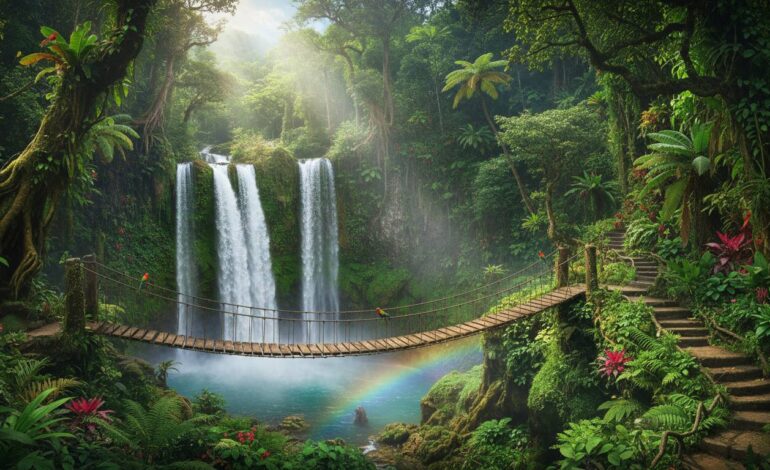
Havajazon Waterfall remains one of Southeast Asia’s most breathtaking hidden gems, offering visitors an immersive experience into pristine nature away from the crowded tourist trails. Located in a lush tropical setting, this stunning cascade features crystal-clear waters tumbling down rugged rock formations into a natural pool perfect for swimming and relaxation. Whether you’re an adventure seeker, photography enthusiast, or simply someone looking to escape the hustle of daily life, Havajazon delivers an authentic encounter with raw, untouched beauty that few destinations can match. This comprehensive guide covers everything from getting there and the best times to visit, to essential packing tips and local customs you should know before embarking on your journey to this magnificent natural wonder.
Understanding Havajazon Waterfall
Geographic Location and Terrain
Havajazon Waterfall nestles deep within a verdant valley surrounded by ancient tropical forests, creating a landscape that feels almost prehistoric in its untouched grandeur. The waterfall itself drops approximately 30 meters into a pristine emerald pool, with the water originating from mountain springs that have carved their way through limestone formations over countless centuries. The surrounding area features multiple smaller cascades and streams, making the entire region a paradise for those who love exploring hidden waterways and secret swimming spots. The terrain can be challenging in places, with rocky paths and slippery sections near the water’s edge, so appropriate footwear and reasonable fitness levels are recommended for visitors.
Unique Characteristics
What sets Havajazon apart from more famous waterfalls is its relative seclusion and the sense of discovery that accompanies every visit. Unlike destinations overwhelmed by tourist infrastructure, Havajazon maintains an intimate connection with nature that feels increasingly rare in today’s modern world. The water takes on an almost supernatural blue-green hue due to the mineral content in the rocks, creating photographic opportunities that seem almost too beautiful to be real. Morning visits often reward visitors with mist rising from the pool as sunlight filters through the canopy, while afternoon trips offer warmer light perfect for capturing the waterfall’s powerful descent. The area surrounding the cascade supports incredible biodiversity, including rare bird species, tropical butterflies, and occasional glimpses of long-tailed macaques in the trees above.
Planning Your Visit
Best Time to Visit
The ideal time to experience Havajazon Waterfall depends largely on what you’re seeking from your adventure, with each season offering distinctly different characteristics. The dry season, typically spanning from April through October, brings lower water levels that make swimming more accessible and create ideal conditions for photography enthusiasts chasing that perfect shot. Trails are easier to navigate during these months, and you’ll find fewer visitors on weekdays if you’re seeking solitude. The wet season, from November through March, transforms the waterfall into a more dramatic spectacle with powerful water flows that showcase nature’s raw strength, though swimming may be restricted due to stronger currents and higher water levels. Regardless of when you visit, early morning arrivals (before 8 AM) consistently provide the most peaceful experience with the best natural lighting conditions.
How to Get There
Reaching Havajazon requires some determination, which contributes to the adventure and helps preserve the location’s uncrowded character. Most visitors arrive via the nearest town, where you can arrange transportation through local tour operators or hire a motorbike for more independent exploration. The final approach involves a moderate trek through forest and along riverbanks, taking approximately 30-45 minutes from the nearest vehicle access point. Hiring a local guide is strongly recommended, not only for navigation but also to ensure you don’t accidentally wander into protected areas or private land. The journey itself rewards travelers with glimpses of rural Indonesian life, including traditional villages, rice terraces, and friendly locals who often wave and offer directions even to those not fluent in the local language.
What to Bring and Wear
Essential Gear
Packing the right equipment can significantly enhance your Havajazon experience and ensure comfort throughout your visit. A quality waterproof bag or dry sack protects your electronics and valuables during the boat crossing and potential swims in the waterfall pool. Waterproof sandals or sturdy water shoes provide essential grip on slippery rocks while allowing you to comfortably wade into the pool for a refreshing swim. Don’t forget biodegradable sunscreen and reef-safe insect repellent, as the tropical environment means sun exposure and bug encounters are virtually guaranteed. A reusable water bottle helps you stay hydrated while minimizing plastic waste in this ecologically sensitive area. A basic first-aid kit with bandages, antiseptic, and any personal medications should always accompany you into nature.
Clothing Recommendations
Lightweight, quick-dry clothing performs best in the humid tropical climate surrounding Havajazon Waterfall. Moisture-wicking shirts and shorts allow comfortable exploration whether you’re hiking to the falls or swimming in the natural pool below. A light rain jacket proves useful even during dry seasons, as mist from the waterfall creates constant dampness and sudden tropical showers can appear without warning. Bring a change of clothes for the journey home, as you’ll likely get soaked regardless of how careful you try to be. Avoid cotton entirely, as it retains moisture and can lead to chills after swimming. Many visitors find that a simple swimsuit worn under quick-dry clothing provides the most practical approach for a full day at the waterfall.
At the Waterfall
Swimming and Recreation
The natural pool beneath Havajazon offers sublime swimming conditions that rank among the best you’ll find anywhere in the region. The water temperature remains refreshingly cool year-round, providing welcome relief from tropical heat after your hike through the forest. Several natural seating spots carved into the rock allow for comfortable relaxation while letting the gentle current massage your back. More adventurous swimmers can climb the rocks to the side of the waterfall for a more intense experience beneath the falling water, though this requires confidence and swimming ability. Floating on your back while gazing up at the surrounding canopy creates a meditative experience that many visitors describe as the highlight of their entire trip. Remember to swim carefully and be aware of underwater rocks, as the光滑 surface can be deceptive.
Photography Tips
Capturing Havajazon’s beauty requires some planning, particularly regarding lighting and timing. The golden hours of early morning and late afternoon provide the most magical light, casting warm tones across the waterfall and creating stunning reflections in the pool below. Overcast days, while perhaps less dramatic for general travel photos, actually offer excellent conditions for capturing detail in the waterfall’s white water without harsh shadows. A smartphone or basic camera handles well in this environment, though a DSLR with a polarizing filter helps manage reflections and enhance the blue-green water colors. Don’t forget to photograph the journey itself—the forest trails, local villages, and smaller streams along the way often yield equally memorable images. Several rocky outcrops provide safe vantage points for wide-angle shots capturing the entire cascade.
Respecting Local customs and Environment
Cultural Considerations
The communities surrounding Havajazon maintain traditional values that visitors should honor during their stay. Remove your shoes before entering certain sacred areas along the trail, and always ask permission before photographing local residents, particularly elders and children. Speaking a few words in the local language—simple greetings like “selamat pagi” (good morning) or “terima kasih” (thank you)—goes a long way in building positive connections. Many local families depend on tourism for income, so purchasing handmade crafts, local food, and village services helps support the community directly. Avoid loud music or behavior that might disturb the peace enjoyed by local residents and fellow travelers. Understanding that you are a guest in these people’s home territory enriches your experience while ensuring positive relationships between visitors and communities.
Environmental Responsibility
Preserving Havajazon’s pristine condition requires conscious effort from every visitor who walks these trails. Never leave behind any trash—pack out everything you carry in, including food wrappers and empty bottles. Avoid using single-use plastics whenever possible, and choose reef-safe sunscreens that won’t contaminate the water. Stay on marked trails to prevent erosion and protect sensitive vegetation, particularly near the waterfall’s edge where plants struggle to grow. Never remove rocks, plants, or wildlife from the area, no matter how small or common they might seem. If you encounter wildlife, observe from a distance and never feed animals, as this disrupts their natural behavior and diet. Your presence should leave no trace beyond footprints that fade with the next rainfall.
Nearby Attractions and Extended Adventures
Alternative Waterfalls
The region surrounding Havajazon contains several other waterfalls worth exploring if you have additional time available. A network of smaller cascades hides throughout the valley, each offering unique characteristics and typically fewer visitors than the main attraction. Some require additional hiking or boat rides to reach, transforming the journey itself into part of the adventure. Local guides often know secret spots that don’t appear in any guidebook or online resource, and asking them about “waterfall hunting” can lead to memorable detours. The diversity of these hidden gems means that even travelers spending multiple days in the area rarely run out of new places to discover. Combining several waterfall visits into one trip creates an unforgettable journey through some of the most pristine nature remaining in the region.
Cultural Experiences
Beyond natural attractions, the villages near Havajazon offer rich cultural experiences that complement your waterfall adventure. Traditional ceremonies often take place during full moons or harvest seasons, providing visitors with extraordinary glimpses into ancient spiritual practices. Local craft workshops demonstrate weaving, carving, and other traditional skills that have been passed down through generations. Homestay accommodations allow travelers to experience daily life in these rural communities, sharing meals with families and learning about their customs and beliefs. The warmth and hospitality of these communities often surprise first-time visitors, with invitations to share coffee or fruit appearing spontaneously throughout your journey. These human connections frequently become the most treasured memories of an otherwise nature-focused trip.
Safety Considerations
Health Precautions
Visiting Havajazon requires certain health precautions that all travelers should consider before embarking on their journey. Ensure you have up-to-date vaccinations as recommended for travel in Indonesia, including hepatitis A and typhoid, though always consult with a travel medicine specialist for personalized advice. Bring any prescription medications in sufficient quantities, as pharmacies may be limited or unavailable near the waterfall. Stay hydrated throughout your visit, as the tropical climate combined with physical activity can quickly lead to dehydration. Apply insect repellent regularly to prevent mosquito-borne illnesses, particularly during dawn and dusk hours when mosquitoes are most active. First aid for minor cuts and scrapes proves essential, as the rocky terrain can lead to small injuries that need prompt attention.
Emergency Preparedness
Being prepared for emergencies ensures that unexpected situations don’t derail your adventure or put you in unnecessary danger. Inform someone at your accommodation about your planned route and expected return time, particularly if visiting during weekdays when fewer other travelers might be around. Carry a fully charged phone in a waterproof case, though realize that cellular service may be limited or unavailable in some areas. Download offline maps of the region before your trip, as GPS navigation can be unreliable in remote valley areas. Know the signs of heat exhaustion and hypothermia, as both conditions are possible depending on weather conditions and how long you spend in the water. Basic self-sufficiency skills, including navigation and first aid, prove invaluable when exploring less-developed natural areas.
Conclusion
Visiting Havajazon Waterfall offers an extraordinary opportunity to experience one of nature’s most spectacular creations in a setting that remains beautifully unspoiled by mass tourism. The journey requires some effort—navigating forest trails, braving tropical heat, and sometimes dealing with unexpected challenges—but the rewards far exceed these minor inconveniences. Swimming in the emerald pool beneath the cascade, watching morning mist rise through sunlight, and connecting with local communities create memories that last long after you’ve returned home. By respecting the environment, supporting local communities, and approaching your adventure with appropriate preparation and humility, you contribute to preserving this precious place for future generations while enjoying one of the most fulfilling travel experiences available anywhere in the world. Start planning your trip today, and discover why Havajazon deserves a place on every adventurous traveler’s bucket list.
FAQs
How difficult is the hike to Havajazon Waterfall?
The hike to Havajazon is considered moderate in difficulty, taking approximately 30-45 minutes through tropical forest and along riverbanks. The trail includes some rocky sections and minor elevation changes, so reasonable fitness is recommended. Wet conditions can make rocks slippery, so proper footwear is essential.
Is it safe to swim at Havajazon Waterfall?
Yes, swimming is generally safe at Havajazon, particularly during the dry season when water levels are lower and currents are gentler. However, visitors should exercise caution, stay aware of underwater rocks, and avoid swimming during or after heavy rains when water levels can rise suddenly.
What is the best time of day to visit Havajazon?
Early morning (before 8 AM) offers the best experience with fewer crowds, cooler temperatures, and beautiful misty lighting. Late afternoon provides another excellent window with golden light perfect for photography. Avoid midday visits if possible, as this tends to be the busiest and hottest period.
Do I need a guide to visit Havajazon?
While it’s possible to visit independently, hiring a local guide is strongly recommended. Guides ensure you stay on correct paths, help navigate any language barriers, and can take you to additional hidden spots that independent travelers often miss. Their knowledge significantly enhances the overall experience.
Are there facilities near Havajazon Waterfall?
Facilities are minimal at Havajazon itself, reflecting its remote and unspoiled character. Basic restrooms and small food vendors may be available near the entrance, but you should bring your own water, snacks, and any essentials you might need for several hours in nature.
Can I visit Havajazon year-round?
Yes, Havajazon can be visited year-round, though conditions vary significantly between seasons. The dry season (April-October) offers easier access and better swimming conditions, while the wet season (November-March) showcases more dramatic water flows but potentially more challenging trail conditions.