fruits that end with um

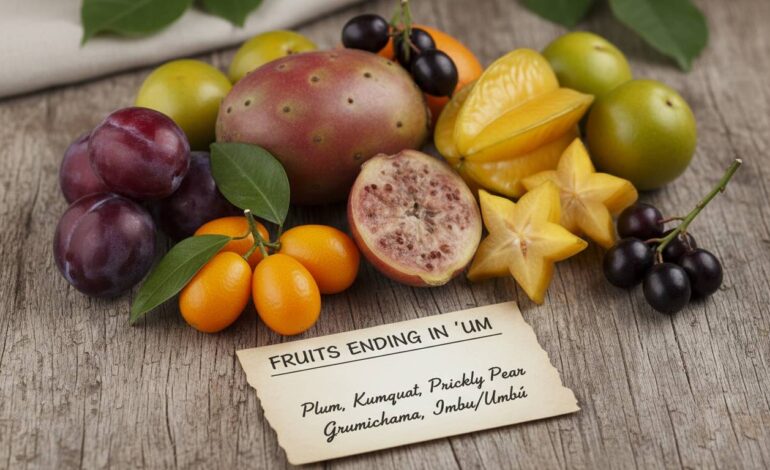
The search for fruits that end with “um” is trickier than it might seem at first glance. Unlike other letter combinations that appear frequently in fruit names, the “um” ending is surprisingly rare in the botanical and culinary world. While there are thousands of fruits cultivated and consumed around the globe, very few of them naturally end with these two letters. This makes the topic somewhat of a linguistic curiosity—a small but interesting corner of vocabulary that reveals something about how we name the foods we eat. Whether you’re a word puzzle enthusiast, a botany student, or simply someone curious about unusual fruit terminology, understanding which fruits (if any) end with “um” can be surprisingly enlightening. In this article, we’ll explore this question thoroughly, look at some close matches and near-misses, and examine what these naming patterns tell us about the origins of fruit names.
Understanding the “Um” Ending in English
Before diving into specific fruit names, it’s worth understanding why the “um” ending is relatively uncommon in everyday fruit terminology. The “um” suffix has strong Latin and Greek roots, often appearing in scientific nomenclature, anatomical terms, and chemical compounds. In Latin, neuter nouns frequently ended in “um,” and many scientific names still follow this convention. However, when it comes to the common names we use for fruits in everyday speech, English has borrowed heavily from various languages—French, Spanish, Arabic, and indigenous tongues among them—without gravitating toward the “um” ending.
This linguistic pattern explains why you’ll find many more fruits ending in “a,” “o,” “y,” or consonant sounds than you will those ending in “um.” The fruits we commonly eat have names that evolved to be easily pronounced and remembered, and the “um” sound doesn’t naturally fit the phonetic patterns most fruit names follow. That said, there are a few interesting cases worth exploring, including some botanical relatives and a few imports from other languages that do end with this distinctive sound.
The Kumquat: The Most Notable Example
When discussing fruits that end with “um,” the kumquat stands as the most prominent example in common usage. This small, orange-like fruit originates from China and has been cultivated for thousands of years. The name “kumquat” itself is a fascinating linguistic journey—it comes from the Cantonese words “gam” (gold) and “gwat” (tangerine or orange), which were eventually modified by Portuguese and English speakers to arrive at the pronunciation and spelling we use today. While technically the word ends with “quat,” the “um” appears prominently within the name, making it the closest most people will encounter to a fruit ending with “um” in everyday conversation.
Kumquats are unique among citrus fruits because they’re typically eaten whole—including the peel—rather than just the flesh inside. The skin is actually sweet while the inner flesh is tart, creating a pleasant contrast that has made them popular in preserves, jams, and as a garnish. They’re also grown in many parts of the world today, including the United States (particularly in Florida and California), Japan, and various Mediterranean countries. For puzzle enthusiasts and those searching for fruits ending with “um,” the kumquat is almost always the first and most satisfying answer.
Other Botanical and Historical Possibilities
Beyond the kumquat, there are a few other terms worth considering when exploring fruits that contain the “um” sound or ending. In the realm of botanical names, many fruits have scientific names ending with “um”—for instance, the genus “Citrus” includes numerous fruits, though “citrus” itself doesn’t refer to a specific fruit. Similarly, the common date palm is scientifically known as “Phoenix dactylifera,” while the banana’s scientific name is “Musa.” These scientific terms follow Latin conventions but don’t translate to common fruit names that ordinary people would use.
Some less common or regional fruits might also contain the “um” ending. For example, certain varieties of indigenous fruits in various cultures might have names ending with “um” in their original languages. However, when these fruits are discussed in English, their names are typically adapted to fit more familiar phonetic patterns. It’s also worth noting that some fruit-like foods—including certain beans, seeds, and pods—might technically fit this description in botanical contexts, though they’re not typically classified as fruits in culinary terms.
Why the Search Matters: Linguistic and Cultural Insights
You might wonder why anyone would specifically search for fruits ending with “um,” and the reasons are more varied than you might expect. Some people encounter this question through word games and puzzles, where finding words that fit specific letter patterns becomes a fun challenge. Others might be working on crosswords, playing Scrabble, or creating acrostic puzzles. The kumquat is often the answer that satisfies these puzzle requirements, though players sometimes need to get creative depending on the specific rules of their game.
Beyond puzzle-solving, this question also reveals something interesting about how we categorize and name the natural world. The fact that so few common fruits end with “um” tells us something about the historical spread of fruit cultivation and naming. Most fruits that became globally recognized were named through trade routes and colonization, with their names adapting to the languages they passed through. The relative rarity of the “um” ending simply reflects the linguistic paths most fruit names took on their journey to English.
“The kumquat remains a fascinating example of how fruit names travel across cultures, picking up phonetic changes along the way until they become something new entirely.”
Growing and Using Kumquats at Home
For those interested in actually growing and using fruits with the “um” sound in their name, the kumquat tree is a rewarding choice for home gardeners in appropriate climates. Kumquat trees are relatively compact, making them suitable for smaller yards or even large containers. They prefer subtropical to mild temperate climates and are somewhat more cold-hardy than many other citrus varieties. In the United States, they’re successfully grown in USDA zones 8 through 11, which includes much of the southern states and the Pacific Coast.
The trees produce fragrant white flowers in spring, followed by small orange fruits that ripen in winter. This timing makes them particularly valuable for home gardeners, as they provide fresh fruit during a season when few other fruits are available. The trees are also ornamental, with glossy evergreen leaves that make them attractive even when not bearing fruit. Caring for kumquat trees is similar to caring for other citrus—they need well-draining soil, regular watering, and protection from extreme temperatures. With proper care, a single tree can produce dozens of pounds of fruit each year.
In the kitchen, kumquats offer versatility that many other fruits lack. Their unique sweet-tart combination works well in both sweet and savory dishes. The entire fruit can be sliced into salads, floated in cocktails, or used as a garnish for fish and poultry dishes. Cooking the fruit transforms its flavor, mellowing the tartness and releasing natural pectins that make them ideal for marmalades and preserves. Some home cooks even candy the whole fruits, creating a sweet treat that can be stored for months. The peel, being sweet, can be dried and used as a garnish or incorporated into baked goods for added dimension.
Similar Fruits and Name Confusion
It’s worth addressing some common confusions that arise when discussing this topic. Some people initially think of the avocado, which contains “um” but actually ends with “do.” Others might think of the “drumstick” (a type of moringa pod), though this isn’t typically classified as a fruit in culinary contexts. The term “sugar plum” refers to a type of dried fruit but isn’t a specific fruit variety itself. Similarly, words like “album” or “frankenum” might come to mind from word games, but these don’t represent actual fruits.
The botanical classification of what counts as a “fruit” can also affect the answer to this question. Botanically, a fruit is the mature ovary of a flowering plant, usually containing seeds. This definition includes many things we might not typically consider fruits in everyday cooking—tomatoes, squash, and avocados, for instance, are all technically fruits. However, when most people ask about “fruits,” they’re thinking of sweet, edible produce typically found in the produce section of a grocery store. Under this more restrictive definition, the options become even more limited.
Regional and Exotic Fruits With Similar Endings
Looking beyond English, other languages have fruits with names ending in sounds similar to “um.” In various Asian languages, particularly those using romanized naming systems, you’ll find more examples. The mangosteen, for instance, ends with “teen” rather than “um,” but it demonstrates how fruit names can vary across linguistic traditions. Some indigenous fruits in South American or African contexts might have names that, when translated or adapted, contain similar sounds, though these rarely make it into mainstream English vocabulary.
For the truly dedicated explorer of unusual fruit names, there’s a whole world of regional and exotic fruits to discover. Many of these have never been widely exported and can only be found in their countries of origin. While most won’t help you in a word puzzle, they represent the incredible diversity of edible plants cultivated by human societies around the world. The humble kumquat, in this context, serves as a reminder that even the most specific linguistic question can open doors to broader botanical and cultural knowledge.
Conclusion: The Limited but Interesting Answer
In summary, when searching for “fruits that end with um,” the kumquat emerges as the clear winner and the most satisfying answer to this intriguing question. While it’s technically true that the word ends with “quat,” the prominent “um” sound makes it the closest widely-recognized fruit to meeting this specific criterion. The search reveals interesting things about language, naming conventions, and the cultural history of food. Whether you needed this information for a puzzle, out of curiosity, or for some practical purpose, the kumquat stands ready to answer the call. Its unique flavor, attractive tree, and fascinating linguistic history make it a fruit worth knowing regardless of any word game requirements.
Beyond the kumquat, the question serves as a window into the broader world of fruit nomenclature and the various paths names take as they travel across cultures and languages. The relative rarity of the “um” ending in fruit names isn’t a limitation but rather an interesting characteristic that makes the kumquat all the more memorable. So the next time you encounter this particular trivia question—at a dinner party, in a crossword puzzle, or simply in your own curiosity—you’ll have not just an answer but a story to share about this remarkable fruit and the journey of its name.
FAQs
Are there any common fruits that truly end with “um”?
The kumquat is the most notable example, though its full name ends with “quat.” It’s the closest widely-recognized fruit to ending with “um” in English. No major commercial fruits end with exactly “um” in their common name.
Why do so few fruits end with “um”?
The “um” ending comes primarily from Latin and Greek roots, which are more common in scientific nomenclature than in everyday common names. Most fruit names evolved from other language families that don’t typically use this ending.
Is the kumquat eaten whole or just the flesh?
Kumquats are typically eaten whole, including the peel. The skin is sweet while the inner flesh is tart, creating a unique flavor combination that distinguishes them from other citrus fruits.
Where do kumquats grow best?
Kumquat trees thrive in subtropical to mild temperate climates. They’re successfully grown in USDA zones 8-11, including parts of Florida, California, and other warm regions worldwide.
Can I grow a kumquat tree at home?
Yes, kumquat trees are excellent for home gardeners in appropriate climates. They’re relatively compact, produce fragrant flowers, and bear fruit in winter when few other fruits are available.
What can I make with kumquats?
Kumquats work well in marmalades, salads, cocktails, and savory dishes. They can be candied, used as garnish, or cooked into sauces for fish and poultry.