julie banderas injury

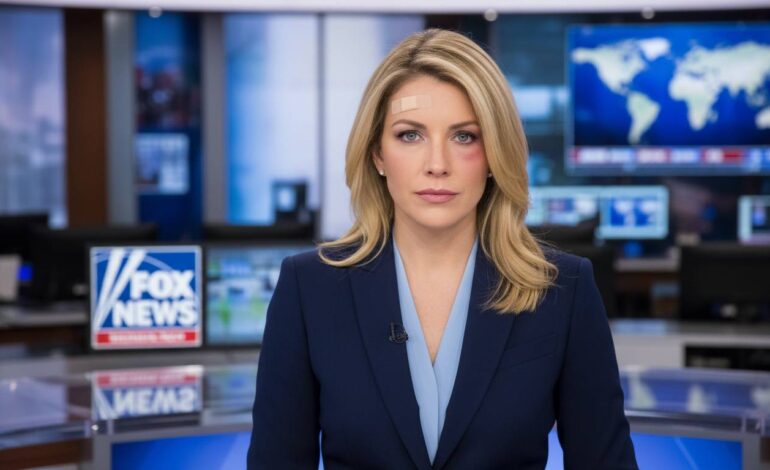
Julie Banderas has established herself as a prominent figure in American television journalism, serving as a news anchor and correspondent for major news networks throughout her career. While public figures often face speculation about their personal health, there is no widely documented or verified information about a significant injury affecting Julie Banderas that has been reported in mainstream media or confirmed through her public statements.
Early Life and Career Beginnings
Julie Banderas was born on March 21, 1973, in Boston, Massachusetts. Her journey into broadcast journalism began with a strong educational foundation in communications and journalism. She pursued her passion for news reporting through college studies that would prepare her for the fast-paced world of television news.
Her career trajectory took her through several regional news stations before she landed at larger networks. Banderas worked at stations in markets like Boston, New York, and Connecticut, building her reputation as a reliable and engaging news anchor. These early years shaped her reporting style and established her credibility in the competitive field of television journalism.
The grind of local news taught her the fundamentals of breaking news coverage, live reporting, and connecting with diverse audiences. These formative experiences proved invaluable as she transitioned to national news coverage, where the stakes and expectations were considerably higher.
Rise to National prominence
Julie Banderas joined Fox News Channel in 2007, marking a significant milestone in her career. At Fox News, she took on the role of co-host for “Fox & Friends First” and later contributed to other programs across the network. Her work at Fox News brought her into living rooms across America, where viewers came to appreciate her professionalism and straightforward reporting style.
Throughout her tenure at Fox News, Banderas covered numerous major news stories, from political elections to natural disasters. Her ability to remain composed during breaking news situations made her a trusted voice for viewers seeking reliable information during uncertain times. The demanding schedule of network news required physical and mental resilience, traits that Banderas demonstrated throughout her career.
Network news anchors often work long hours, including early mornings, late nights, and weekends. This demanding schedule is part of the profession, and those in the industry understand the physical toll it can take over time. News teams frequently work under tight deadlines and stressful conditions, which can impact overall well-being.
Professional Challenges in Television News
The television news industry is known for its demanding nature, which can present various challenges for anchors and reporters. Long hours in the studio, frequent travel for coverage, and the pressure of live broadcasting all contribute to the unique stressors faced by news professionals.
Julie Banderas has been open about the challenges of balancing a demanding career in news with personal life. The industry requires dedication and flexibility, often requiring journalists to adapt quickly to changing circumstances and breaking developments. This dynamic environment demands both mental sharpness and physical stamina.
News anchors like Banderas typically maintain rigorous schedules that begin early and often extend well beyond traditional work hours. The preparation required for each broadcast, including researching stories, preparing questions for interviews, and staying current on developing situations, adds considerable demands to their workload. These factors are important considerations for anyone understanding the lifestyle of television journalists.
Health and Wellness in Broadcasting
The broadcasting industry has increasingly recognized the importance of mental health and overall wellness for journalists. The nature of news work, particularly coverage of traumatic events and high-pressure situations, can take a psychological toll on reporters and anchors.
Many news organizations have implemented wellness programs and resources to support their employees. The awareness around mental health in journalism has grown significantly in recent years, with networks providing access to counseling services and encouraging healthy work-life boundaries.
For on-air personalities like Julie Banderas, maintaining appearance on television adds another dimension to the job. Studio lighting, cameras, and the constant public scrutiny create unique pressures. However, the industry has also become more supportive of authentic representations of journalists, moving away from unrealistic expectations that were more common in previous decades.
Career Highlights and Achievements
Throughout her career, Julie Banderas has accumulated numerous achievements that demonstrate her expertise in broadcast journalism. Her ability to handle breaking news with composure has earned her respect among peers and viewers alike. The consistency of her performance over the years reflects the dedication required to succeed in national television news.
Banderas has interviewed numerous newsmakers and covered stories that have shaped national discourse. From political conventions to economic crises, her reporting has contributed to informing the American public about important developments. This work requires not just technical skills but also the intellectual capacity to understand and communicate complex issues effectively.
The longevity of her career at Fox News speaks to her reliability and connection with viewers. News anchors who remain with major networks for extended periods typically develop strong relationships with their audience, who come to trust them as consistent sources of information.
Public Presence and Personal Transparency
Julie Banderas has maintained a public presence that balances professional journalism with appropriate personal boundaries. Like many television personalities, she shares certain aspects of her life with viewers while maintaining privacy around other matters. This approach is common among news anchors who wish to connect with their audience while preserving personal space.
Her social media presence and occasional public appearances provide glimpses into her life outside the newsroom. However, discussions about personal health matters, including any injuries or medical conditions, typically remain private unless the individual chooses to share such information publicly.
The decision to disclose personal health information is a personal one, and journalists, like all individuals, have the right to privacy regarding medical matters. Without public confirmation from Banderas herself, any specific details about injuries or health conditions would remain speculative.
Industry Perspectives on On-Air Talent Health
The television industry has evolved in its understanding of the pressures faced by on-air talent. The physical demands of appearing on television, including maintaining energy for long broadcasts and handling the stress of live reporting, are now more widely recognized.
Professionals in the industry understand that anchors must manage the visual aspects of their work while also performing at a high intellectual level. This combination of physical and mental demands makes the profession more challenging than it might appear to casual viewers. The energy required to project enthusiasm and engagement during early morning or late night broadcasts is substantial.
News organizations have also become more attentive to the wellbeing of their anchors, recognizing that sustainable careers require attention to health and work-life balance. This represents a positive shift from earlier industry norms that often prioritized relentless work schedules without adequate consideration for recovery and personal wellness.
The Reality of Newsroom Demands
Behind the polished presentations that viewers see on television, newsrooms operate in high-pressure environments where deadlines are constant and the stakes are often high. The team supporting anchors, including producers, writers, and technical staff, all contribute to the final broadcast that reaches audiences.
The physical setup of news studios presents its own challenges. Bright lighting, controlled temperatures, and the need to maintain specific postures for camera angles can strain the body over time. Anchors often work through these physical demands, sometimes experiencing back problems, voice strain, or other issues common to broadcasting professionals.
The psychological demands are equally significant. Processing disturbing news content, maintaining composure during difficult interviews, and switching between stories requiring different emotional registers all contribute to the mental workload of news anchors. These factors are inherent to the profession and require developed coping strategies for long-term success.
Looking Forward
Julie Banderas continues to be recognized as an experienced voice in American television news. Her career demonstrates the commitment required to succeed in national broadcast journalism and the resilience needed to maintain that success over many years.
For those interested in the broadcasting industry, her career provides insights into the path from local news to national networks. The journey requires talent, persistence, and the ability to adapt to the evolving landscape of television news. As media consumption habits change, journalists like Banderas have had to evolve their approaches while maintaining the core commitment to accurate, reliable reporting.
The future of broadcast journalism will likely bring new challenges and opportunities, including changes in how news is delivered and consumed. Experienced journalists who have navigated previous shifts in the industry are well-positioned to adapt to whatever changes come next.
Conclusion
Julie Banderas represents the archetype of a successful television journalist who has built a lasting career in national news. While the question of injury or health concerns may arise from time to time regarding public figures, there is no documented, verified information about a specific injury affecting Julie Banderas that has been reported in mainstream media.
The broadcasting industry, like all professions, has its unique demands and challenges. Understanding these realities provides context for appreciating the work that goes into delivering daily news to millions of viewers. Julie Banderas has demonstrated the professionalism and dedication that characterize successful careers in television journalism, and her contributions to the field continue to be recognized by industry professionals and viewers alike.
FAQs
Has Julie Banderas ever publicly disclosed a significant injury?
There is no widely reported or verified information about Julie Banderas suffering a significant injury that has been documented in mainstream media coverage or confirmed through her public statements.
What is Julie Banderas known for in her career?
Julie Banderas is known for her work as a news anchor and correspondent at Fox News, where she has served as co-host of “Fox & Friends First” and contributed to other programs across the network since 2007.
What are the physical demands of being a television news anchor?
Television news anchors face physical challenges including long hours in studio lighting, maintaining posture for camera appearances, and managing the fatigue from early morning or late night schedules. They may also experience voice strain from prolonged speaking.
How long has Julie Banderas been in broadcasting?
Julie Banderas began her career in local news before joining Fox News in 2007. She has accumulated over two decades of experience in broadcast journalism.
Does Julie Banderas share personal health information publicly?
Like many public figures, Julie Banderas maintains privacy regarding personal health matters. Any specific information about injuries or health conditions would need to be publicly confirmed by her directly.