Ultimate Guide to https //www.microsoft.com /ink Features

Introduction
The Microsoft Ink platform transforms digital handwriting and drawing into powerful, intuitive tools across Windows and Office environments. From seamless pen input to advanced recognition and editing, it empowers creators, educators, and professionals alike. This guide walks through the core features of Microsoft Ink—how it’s built into your apps, what makes it click, and why it matters now.
Core Capabilities of Microsoft Ink
Microsoft Ink merges human expression with digital functionality in a thoughtful way. It preserves handwriting benefits, cuts friction in idea capture, and supports both visual and spatial thinking. It’s especially useful for learning, planning, teaching, and creative workflows.
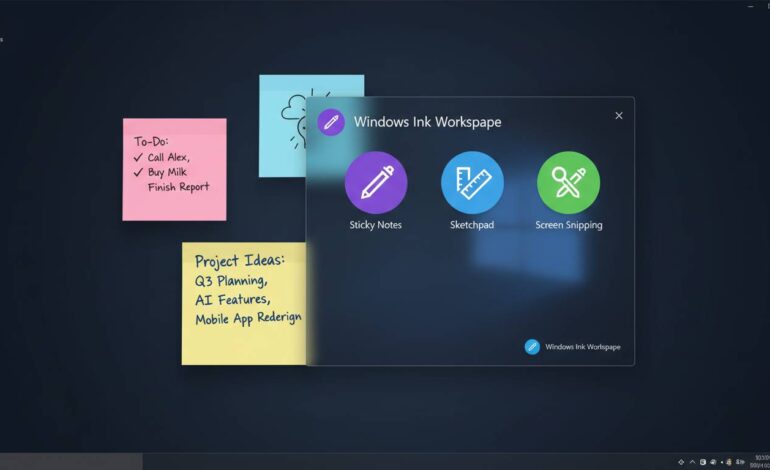
Through Windows Ink Workspace, users get fast access to key tools like Whiteboard, Sticky Notes, screen capture, and annotation tools. Access is simple—either from the taskbar or a pen button on compatible devices.
Natural Input
Microsoft Ink supports realistic pen interactions—pressure sensitivity, palm rejection, tilt recognition, and low-latency rendering—so writing feels familiar and precise.
Ink to Text and Shapes
Rough handwriting becomes editable text. Sketches morph into clean shapes with a tap, helping users shift from freeform formats into structured output without starting over.
Gesture-Based Editing
Quick, intuitive gestures replace clunky tool menus. Scratch to delete, circle to select, or draw lines to highlight. This keeps focus on ideas, not interface hunting.
Microsoft Ink in Microsoft Office
Ink isn’t just fancy doodles—it’s a built-in editing and annotation feature in Office apps.
- Word: Handwrite comments, annotate drafts, and convert ink into editable text.
- PowerPoint: Draw live during presentations, highlight key points, and visually annotate slides.
- Excel: Highlight data and add visual explanations to sheets—great for collaborative reviews.
Recently, OneNote’s popular fountain pen and brush pen tools arrived in Word, Excel, and PowerPoint. These replicate the feel of real writing, with pressure and angle sensitivity for authentic strokes.
Windows Ink Workspace
Windows Ink Workspace offers a hub for pen-based tools:
- Sticky Notes: Jot ideas, annotate visuals, and even use ink handwriting that the system can recognize. Support includes OCR, Cortana integration, and actionable insight like flight or stock info.
- Whiteboard & Sketchpad: Collaborative, virtual canvases for drawing, diagramming, or brainstorming. Users can digitally ink ideas in real time.
- Screen Sketch: Snap screenshots and annotate with ink. Mark up visuals instantly.
Developer Tools and Platform Support
For developers building custom Windows apps, Microsoft Ink offers rich toolsets:
- InkCanvas: A designer-facing control that captures pen input as ink strokes or erase actions.
- InkPresenter: Under-the-hood object tied to InkCanvas. Offers advanced control over stroke rendering, pressure, tilt, and input device types.
- InkToolbar: A built-in UI for controlling inking—switch between pen, highlight, erase, and ruler tools. Developers can customize toolbar buttons as needed.
Developers can support touch-enabled inking or pass through unprocessed inputs to their apps, enabling custom behaviors like lasso selection.
Advanced Recognition with Project Ink Analysis
For high-level ink processing, Microsoft Research offers Project Ink Analysis, now part of Azure Cognitive Services as Ink Recognizer. It goes beyond plain text recognition:
- Handwriting & Layout Understanding: Analyzes ink strokes to detect text, paragraphs, lines, and structure—even when written at an angle.
- Shape Recognition and Beautification: Recognizes rough shapes and returns polished versions—like turning a hand-drawn rectangle into a perfect one, while preserving size.
- Supports recognition in over 67 languages, enabling global application.
This service powers scenarios like searching ink-based content, structuring handwritten documents, or cleaning up hand-drawn diagrams.
Microsoft Garage Projects: Journal and Ink to Code
Beyond core tools, Microsoft experimentation brings fun, targeted apps:
Journal
Journal is an AI-powered, ink-first note-taking app. Recent updates include:
- Instant lasso improvements for better selection even with fast scribbles.
- Multi-select, music staff page styles, and improved language support.
- Ink-to-text enhancements when copying out, and the ability to save pen preferences.
- Added password-protected PDF import, custom page styles, and better roaming with OneDrive.
Journal’s earlier version introduced intuitive ink gestures, draggable content, and Microsoft 365 integration for things like @mentions and meeting notes.
Ink to Code
Developers can sketch wireframes and export them to Visual Studio via the Ink to Code app. It turns drawn UI elements like labels, buttons, and text fields into live UI prototypes.
Devices, Compatibility, and Enterprise Readiness
Microsoft Ink works on touchscreen Windows devices that support active stylus input—like Surface tablets and other pen-capable PCs.
It integrates cleanly with Windows security and privacy settings. Ink data respects system policies, cloud sync uses protected authentication, and enterprises can manage compliance.
Conclusion
Microsoft Ink brings handwriting into the digital age—with expressive natural input, smart recognition, flexible development tools, and cross-app integration. Whether you’re sketching ideas, annotating documents, teaching, or coding, ink enhances clarity without friction.
What’s next? Expect broader AI-powered pencil tools across Microsoft 365 apps, deeper integration with cognitive services for real-time ink intelligence, and ever richer gestures to keep fluid creativity flowing.