What Is Cream of Tartar? Uses, Benefits, and Substitutes Explained

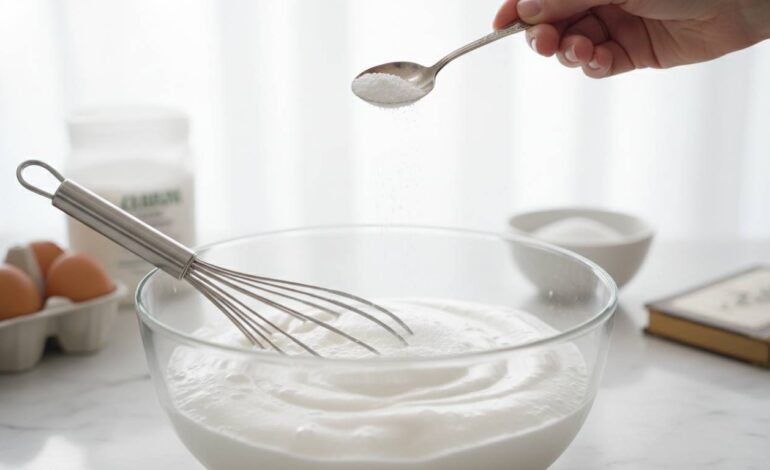
Cream of tartar is a fine, white powder that’s nothing more than potassium bitartrate—a natural byproduct of winemaking. It’s widely used in baking to stabilize egg whites, prevent sugar crystallization, and adjust acidity. And that’s your quick answer. Now, let’s dig into why it matters.
It’s simple yet powerful in the kitchen. You might not notice it’s there, but its impact shows up in glossy meringues, smooth frostings, and tender cakes. Beyond baking, cream of tartar pops up in cleaning, crafting, and even mild home remedies. This article unpacks all that, plus safe substitutes when you’re fresh out.
Why Cream of Tartar Matters in Baking
Cream of tartar, also known as potassium hydrogen tartrate, plays a few key roles in baking. First, it stabilizes egg whites. Whipping up a meringue that holds stiff peaks? A pinch of cream of tartar helps keep that structure firm, even through baking or folding in sugar.
Beyond structural aid, it inhibits sugar crystallization. Think of smooth syrups or glossy frostings. Without some acid like cream of tartar, sugars can clump, seizing up the mixture. It helps create that silky mouthfeel you expect in reliable confections.
It also tweaks pH levels. In some recipes, acidity encourages better browning, shapes flavor, and activates baking soda—acting as a subtle leavening partner. That small amount of acid can make a big difference in fluffy, tender baked goods.
How It’s Made (And Why That’s Interesting)
Cream of tartar is not artificially made. It’s a leftover from wine fermentation. Inside oak barrels, potassium bitartrate crystals form on the walls. Winemakers scrape these off, purify, and grind them into the powder we buy.
It’s fun to think that a gooey custard could owe something to old wine barrels. And that’s what gives cream of tartar both its purity and culinary reliability.
Uses Beyond Baking
Cleaning Agent
Surprised? Cream of tartar can be a gentle yet effective cleaner. Its mild acidity helps remove stains from metals, like copper pots or stainless steel sinks. A paste of cream of tartar and water can tackle rust too.
Homemade Remedies
In DIY beauty routines, people mix cream of tartar with vinegar or lemon juice to scrub away buildup on skin or polish jewelry. It’s not a medical salve, but its abrasive fine texture combined with mild acidity gets the job done roughly but safely.
Arts and Crafts
Use it in homemade playdough, rock candy, or even bubble solutions to tweak texture and crystal formation. Just a small dose changes how ingredients interact, making your projects more predictable.
Using Cream of Tartar in Common Recipes
Meringue & Angel Food Cake
Add about ¼ teaspoon per two egg whites. It helps create and maintain those tall, glossy peaks. Without it, meringues can droop or collapse mid-bake.
Snickerdoodles & Sugar Cookies
A pinch intensifies tangy flavor when paired with baking soda, giving that classic snickerdoodle bite. It balances sweetness and adds depth.
Frostings & Syrups
When you want a smooth, pourable glaze, cream of tartar keeps sugar dissolved and prevents crystals. Ideal in simple syrup recipes or for drizzling.
Benefits at a Glance
- Stabilizes egg whites, giving volume and structure.
- Prevents sugar crystallization for silky textures.
- Adjusts acidity to activate leavening agents and enhance flavor.
- Versatile in cleaning, crafts, and DIY solutions.
- Naturally derived—no artificial additives.
Substitutes When You’re Out of It
Sometimes you run out of cream of tartar. No drama. There are solid stand-ins:
1. Lemon Juice
Use three times as much lemon juice as cream of tartar. It’s acidic enough to stabilize egg whites and help leavening. But mind the flavor—it’s tangier.
2. White or Apple Cider Vinegar
Similarly, three times the amount works. It does the job, though you may detect a vinegary note if you use too much.
3. Baking Powder
Since baking powder combines baking soda and cream of tartar, it can replace both in recipes calling for baking soda + cream of tartar. Use about four times the baking powder in place of both. Adjust other leavening as needed.
4. Buttermilk or Yogurt (in some cases)
When the recipe already has liquid, you can substitute part of it with buttermilk or yogurt. They add acidity and moisture. You may need to cut back on other liquids or adjust baking soda.
Real-World Example: A Baking Rescue Story
Imagine you’re hosting a brunch and decide last-minute to make meringues. You whip those egg whites but realize—no cream of tartar. Quick thinking: you add a squirt of lemon juice. The meringue peaks beautifully. Baked up golden and crisp, they’re a hit.
That’s simple adaptability in action—understanding role, not just recipe.
Expert Insight
“Even a tiny pinch of cream of tartar can transform texture and stability in baked goods. It’s one of those ingredients that seems minor but plays a silent hero role.”
— Pastry chef at a respected culinary school
This rings true with thousands of bakers: its presence is subtle but vital.
Safety Notes & Storage Tips
Cream of tartar is safe in normal culinary amounts. It’s food-grade, FDA-approved, and commonly found in household pantries.
Store it in a cool, dry place. It lasts a long time—years, even—if kept airtight. If it ever clumps or appears damp, toss it. Old moisture can lead to unpredicted reactions.
Summary Table: Uses and Alternatives
| Use Case | Cream of Tartar Role | Easy Substitute |
|——————————|——————————–|—————————–|
| Stabilize egg whites | Acidic stabilizer | Lemon juice or vinegar |
| Prevent sugar crystallizing | Keeps sugars fluid | Omit or use similar acid |
| Activate baking soda | Adds acidity for leavening | Baking powder |
| Increase moisture + acidity | Moderate acid content | Buttermilk or yogurt |
| Cleaning or crafts | Mild abrasive, acidic cleaner | Baking soda mix or vinegar |
Why It’s Still Worth Keeping Around
Sure, substitutions work. But few ingredients are as ubiquitous and multifunctional as cream of tartar. It fits in both savory and sweet recipes, art projects, and cleaning kits. It’s cheap, shelf-stable, and always ready when others fail.
Final Thoughts
Cream of tartar may feel like a kitchen oddball, but it’s quietly powerful. It stabilizes, smooths, tones, and cleans—often in ways you don’t even realize. Knowing how to use it, and when to substitute it, makes your cooking and crafting more flexible and successful.
If you’re curious, experiment. Try whipping egg whites with and without it. Make candy syrups and watch the texture shifts. You’ll see its subtle magic.
FAQs
What is cream of tartar made from?
It’s a byproduct of winemaking—potassium bitartrate that crystallizes in barrels. That gets purified and powdered for kitchen use.
Can I use lemon juice instead of cream of tartar?
Yes, use about three times the amount. It works well for stabilizing egg whites or activating baking soda, though it adds extra tang.
Is cream of tartar necessary in all meringue recipes?
Not always, but it’s highly recommended. It improves peak stability and texture, especially in humid environments or delicate recipes.
How long does cream of tartar last?
Stored in a sealed container at room temperature, it stays good for years. Discard if it clumps or absorbs moisture.
Are there non-baking uses for cream of tartar?
Absolutely. You can use it in homemade cleaners, beauty scrubs, or craft projects like crystal candy or playdough.
What’s the best substitute in a pinch?
If you need acidity overall, lemon juice or vinegar works. For leavening, baking powder is easiest. Adjust other ingredients as needed.
Conclusion
Cream of tartar might seem minor, but it deserves a spot in your pantry. It refines baking textures, keeps sugar silky, and even helps with crafts and cleaning. When you’re out, you’ve got solid substitutes—but nothing beats the original for versatility and reliability.