844 Area Code: Location, Usage, and Who Calls from 844

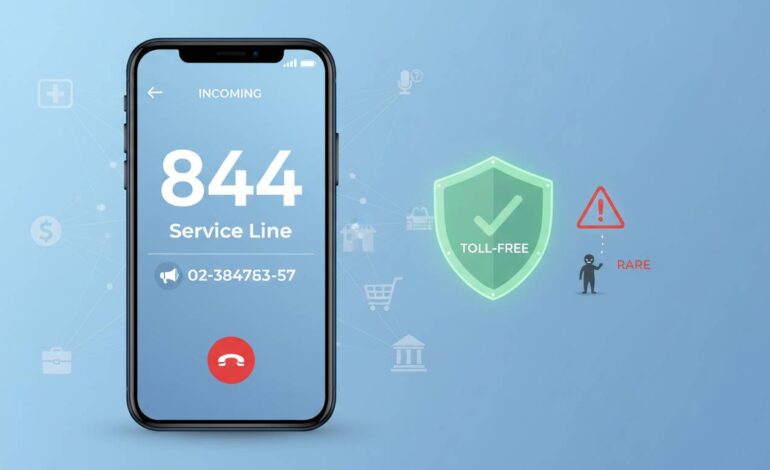
844 area code is not tied to any city or region—it’s a toll-free number used across North America that allows callers to connect for free while the receiver covers the cost. It’s widely used by businesses for customer service, sales, and support. That said, some scammers exploit its legitimacy, so it’s smart to verify any unexpected call from an 844 number.
What is the 844 Area Code and Where Does It Come From?
The 844 area code was launched on December 7, 2013, as part of the North American Numbering Plan (NANP) to expand toll-free offerings due to high demand . It sits alongside other familiar toll-free prefixes like 800, 888, 877, 866, 855, and 833 .
Unlike traditional area codes, 844 doesn’t denote a specific location. It’s virtual—calls can ring anywhere, from a Miami office to a Denver call center . This flexibility makes it popular for businesses that operate across different regions.
Why Businesses Use 844 Numbers
Businesses love 844 numbers because they project credibility and national reach. From a marketing standpoint, having a memorable, toll-free number reduces barriers for customers .
Benefits include:
– Creating a professional, large-company image.
– Boosting customer contact rates by removing call charges.
– Flexible call routing—calls can be forwarded to any geographic location.
– Features like IVR, voicemail, or SMS forwarding (depending on provider) enhance customer experience .
The Risks: When 844 Becomes a Red Flag
Despite its business-friendly nature, the 844 prefix is often abused by scammers. Because many people assume toll-free = legitimate, it’s a perfect disguise .
Common scam tactics include:
– Impersonating known companies or agencies.
– Urgent requests for payments or personal info.
– Robocalls claiming tech issues, car warranty expirations, or surprise winnings .
Reddit anecdotes reflect how common these intrusive calls have become—automated, unannounced, and frequent .
How Toll-Free Numbers Actually Work
When dialing an 844 number, the business pays the call charges—typically a few cents per minute depending on the provider and volume . Technically, they’re collect calls accepted automatically by the receiving organization.
Toll-free calls use intelligent routing through the SMS/800 system, which allows calls to land at any number the business designates under its RespOrg (Responsible Organization) umbrella .
Is There Any Geographic Clue in the 844 Prefix?
Nope. The 844 area code carries no location information—calls can originate from any NANP country such as the US, Canada, or Caribbean nations . So trying to trace a caller’s location based on the prefix alone isn’t possible.
How to Tell Legitimate 844 Calls from Scams
Here’s a practical checklist:
- Check if the caller’s number matches those listed on an official website.
- Watch for texts or calls demanding immediate payment or threatening consequences.
- Never download apps or share personal or financial details without independent verification .
- Use your phone or carrier’s spam filters to flag “scam likely” or “nuisance likely” warnings .
- When in doubt, hang up and call the company back using a trusted number.
“Never give personal information to someone who calls you, even from an 844 number.”
This principle sums it up nicely.
Caller Behavior & Consumer Stories
Real-world accounts underscore the frustration:
- Reddit users note sudden, nonstop calls from 844 prefixes with no voicemail—a telltale sign of spam .
- Others talk about spoofed caller IDs and repeated harassment from scam operations using 844 numbers .
These stories reinforce that the 844 prefix is as vulnerable to abuse as any toll-free code.
Strategies for Protection & Response
- Use call-blocking tools: Many carriers and third-party apps let you filter or block 844 numbers, or impose Do Not Disturb filters .
- Verify through official channels: Always call official business numbers found through websites or statements, not the number on the unexpected call.
- Report scams: File incidents with the FTC or similar agencies to help authorities track patterns.
- Stay informed: Scam methods evolve, so periodically refresh your knowledge about emerging tactics.
Summary
844 is a toll-free area code with no geographic binding, launched in late 2013 as part of NANP’s expanding toll-free options. Businesses use it for its flexibility and professional image, but scammers exploit its trustworthiness. Since the prefix doesn’t reveal location, verifying caller legitimacy relies on behavioral cues, proper lookup, and cautious interaction.
Key takeaways:
– 844 is toll-free and non-geographic.
– Trusted by businesses, but misused by fraudsters.
– Caller verification matters.
– Tools and habits can protect against abuse.
Staying alert and using verification practices keeps the benefits of 844s while avoiding risks.
FAQs
What exactly is the 844 area code used for?
It’s a toll-free prefix used by businesses in the U.S., Canada, and listed NANP countries to let customers call without charge. The business pays the call cost.
Can I tell where a call from 844 comes from?
No. 844 is non-geographic, so you can’t determine the caller’s location just by the prefix.
Are all 844 calls scams?
Not at all. Many are legitimate business contacts, but some scammers exploit the toll-free perception. Always verify before sharing any details.
How can I protect myself from scam calls from 844 numbers?
Use caller-ID warnings (“Scam Likely”), check numbers against official sources, don’t share personal details, and block repeat offenders.
Can someone outside North America get an 844 number?
Yes—some international businesses can purchase 844 numbers through cloud providers to serve North American customers.
Why are there so many different toll-free prefixes like 800, 888, 844?
Older codes like 800 were exhausted due to demand. New ones like 844 were introduced to expand the pool of available toll-free numbers under NANP.