314 Area Code: Location, Map, and Phone Number Details

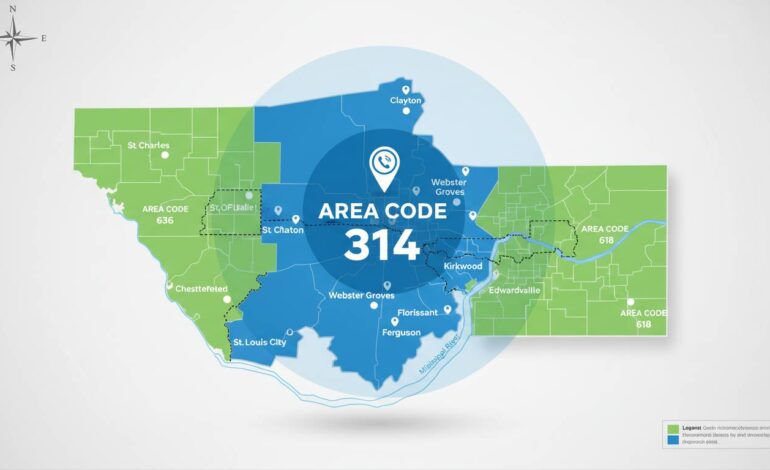
The 314 area code covers the city of St. Louis and parts of its immediate suburbs in eastern Missouri. It’s one of the original North American area codes, first established in October of 1947. This article explores the geography, history, and dialing details tied to 314, delivering a clear and confident overview before diving into specifics—so you get the key facts right away.
Why the 314 Area Code Still Matters
It’s easy to assume area codes are just numbers, but 314 tells a story. It signals a telephone line rooted in historic St. Louis, serving communities, businesses, and local identity. Beyond the digits, 314 conveys regional pride—like spotting a local license plate on the road.
Historical Background of Area Code 314
Originally, area codes were simple tools to manage phone traffic. St. Louis earned 314 in 1947, among the first batch of area codes created under the North American Numbering Plan. Over time, population growth and demand for telephones prompted expansions. Still, 314 remained, proving its endurance.
Beyond that, there’s a twist. As newer area codes like 636 and 557 started covering suburban zones, 314 today stands mainly for central St. Louis — but its legacy stretches across eastern Missouri.
Geographic Reach of 314 Area Code
Core Coverage: City of St. Louis
314’s heartland is downtown and central neighborhoods—like the Central West End, Soulard, and The Hill. These areas are rich in history, architecture, and cultural institutions. Within the city limits, dialing a 314 number immediately connects you to the urban core.
Suburban Extensions
Over time, nearby counties felt pressure too, leading to added codes like 636 in 1999. As a result, 314’s coverage pulled back, focusing more on the city. Yet, some inner-ring suburbs—Clayton and University City, for example—still rely on 314.
Border Overlaps and Number Splits
Numbers don’t always respect boundaries. Some outer neighborhoods near fault lines in the code map find themselves near 636 or the newer overlay, 557. Although overlays—like 557—don’t change the existing 314 numbers, they do require ten-digit dialing across the board.
Map Details (Verbal Overview)
Imagine a dot on the Missouri map. At that dot lies St. Louis, with 314 wrapping around like a tight hug. To the west and north, 636 fan out. The overlay, 557, hovers over the same space as 314. That’s your mental map—no visuals, yet still clear.
Dialing Rules and Nearby Area Codes
Dialing in 314 vs. Overlays
Since the 557 overlay arrived, dialing within 314 means you still need ten-digit dialing: 314 + seven-digit number, even if you’re calling next door. It feels odd, but it’s standard now—in any local call, ten digits.
Neighboring Codes: 636, 557, and 573
- 636: Covers many suburban counties—Jefferson, St. Charles, Lincoln, and parts of Franklin.
- 557: The new overlay alongside 314 covering much of the same geographic footprint.
- 573: Reaches farther east and south, in parts of Missouri outside the greater St. Louis metro.
That trio gives you full regional coverage, though dialing nuances shift depending on where you are.
When and Why 314 Was Split or Overlaid
Area code splits happen to avoid running out of phone numbers. In 1999, the split created 636, easing burden on 314. Later, around 2022, the 557 overlay layered atop 314 to extend capacity without reassigning existing lines.
This approach reflects modern solutions: overlays avoid forcing residents to change numbers while still keeping supply sufficient—albeit with that minor flip in dialing style.
Real-World Example: Calling a Friend in University City
Let’s say you’re calling your friend who lives in University City. If their number still uses 314, you dial the full ten digits—even if you’re across town. If it’s a newer 557 number, same drill. Ten digits, full stop.
It’s not ideal in casual convos, but you get used to it fast. Over time, everyone adapts—just like when street signs change.
Why 314 Still Holds Cultural Weight
In St. Louis, 314 means more than dialing. It’s used in marketing (think “St. Louis 314” on ballcaps), branding, and even local pride campaigns. Stadiums, events, and festivals sometimes slip “314” into logos—because it evokes a sense of place.
Think college scarves or restaurant banners. When “314” shows up, people nod. It’s familiar. It says “home.”
Expert Insight
“Area code 314 remains a strong symbol for St. Louis, capturing historic roots while adapting to modern telecom realities,” observes a regional telecom analyst.
From an expert standpoint, that blend of branding and practicality is notable: you can’t ignore the area code’s power—even when it’s just three digits on a screen.
Technical Snapshot: Numbers, Capacity, and Demand
- Population and phone use in any metro area tend to grow steadily.
- It’s common for urban centers to need overlays or splits to match that demand.
- 314 managed to hold off splits longer than some areas—thanks largely to early adoption of mobile and internet-based numbering strategies, as well as number pooling.
Yet as of now, overlays keep the system flexible—and that tells us the region still plans growth.
Quick Guide: 314 Area Code in Practice
| Scenario | Dialing Requirement |
|——————————-|————————–|
| Calling another 314 number | 10 digits (314 + number) |
| Calling 557 overlay number | 10 digits (557 + number) |
| Calling from outside Missouri | 1 + area code + number |
That’s the practical gist. Always ten-digit within area, plus a leading 1 from outside.
Looking Ahead: Will 314 Expand Again?
No major changes announced at the moment. But overlay remains a tool if needed. Otherwise, phone number tech—like voice over IP and mobile virtualization—might change how we even assign codes.
So, 314 could stay stable for years, unless area demand pushes toward something new.
Conclusion
Area code 314 calls out St. Louis. It’s historic, recognizable, and still in active use for central city and nearby areas. Over time, it’s adapted through splits like 636 and overlays like 557, improving number supply while keeping the old digits intact. Now, it sits as both a functional code you dial and a cultural emblem on hats or local promos. Whether you’re calling a friend in University City or spotting “314” in a logo, it keeps city identity alive.
FAQs
What region does the 314 area code cover?
It covers St. Louis city and nearby inner suburbs, alongside the 557 overlay. It no longer serves all suburbs like it once did, since those were moved to 636.
Do I have to dial 10 digits for local calls within 314?
Yes, local calls within the 314/557 area require dialing the full ten digits, even for local neighbors.
Why was 314 overlaid with 557 instead of split?
Overlays allow phone numbers to stay the same, preserving daily operations. Splits force number changes, which can be disruptive.
Is 314 still the original area code for St. Louis?
Yes, 314 was assigned in 1947 and remains in active use for St. Louis, even after changes to surrounding regions.
Could another overlay or split happen again?
Potentially, if demand spikes. But for now, 557 provides enough cushion. Any new change likely depends on phone use trends.
Does 314 mean anything special to locals beyond calling?
Definitely. It’s part of local identity—used in branding, events, and symbols. It’s more than digits; it’s part of home.