Red Door Yellow Door Game: How to Play and Rules Explained

The Red Door Yellow Door game is a simple yet imaginative ritual used in many therapeutic and psychedelic-assisted settings. It involves guided storytelling that helps participants explore emotions, memories, and subconscious imagery. This article breaks down how to play, why it’s used, what to expect—plus a few anecdotal twists to keep it human.
What’s the Red Door Yellow Door Game?
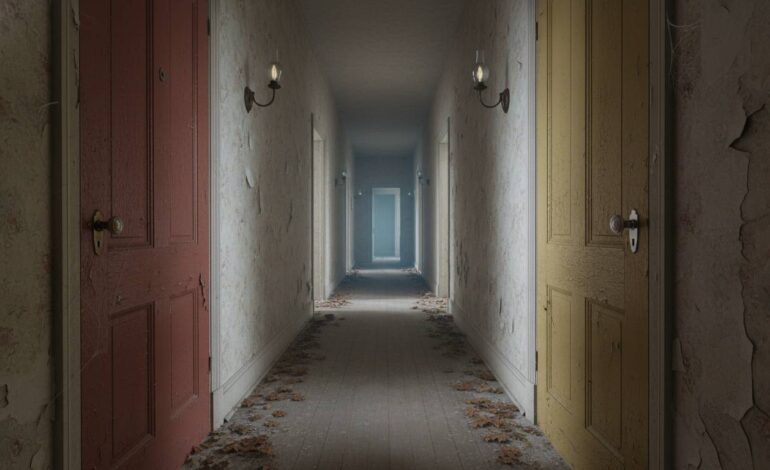
At its core, the game asks you to imagine two doors—one red, one yellow. You’re guided to step through one. Each door leads to a different inner scene: maybe a childhood room, a forest, or a forgotten moment. The guide narrates and asks questions. You respond and describe what you see or feel.
It’s often used in therapy, especially in settings where exploring inner life gently is key. You could do it solo, with a friend, or under a therapist’s guidance. What matters most is the imaginative journey, not any fixed outcome.
Why Use This Game? Benefits and Context
Even though it sounds almost whimsical, there’s a good reason people use it in serious spaces.
Creative exploration and emotional insight
The game taps into imaginative power. It can surface memories or emotions without needing to force them. Many find it helps with reflection or venting inner tension naturally.
Gentle therapeutic support
In therapeutic and psychedelic-assisted contexts, this exercise can be a soft entry point to deeper layers of psyche. It’s not confrontational, which makes it helpful when discussing feelings is tough.
Personal and group flexibility
You can use it one-on-one or in groups. In a group, people often share their journeys, building connection or sparking new insights. Alone, it’s a reflective solo journey accessible anytime.
How to Play: A Step-by-Step Guide
Let’s break down how you might run a session. It’s simple. A few steps. You don’t need props, just imagination and maybe some comfort—blanket, candle, quiet room.
Step 1: Set the stage
Encourage a calm space. Soft lighting, minimal noise. If you’re guiding someone else, ask them to sit or lie comfortably. Let them close eyes if they like.
Step 2: Begin the visualization
Prompt them: “Picture a quiet hallway. Two doors—one red, one yellow—stand before you.” Pause briefly to let the image settle.
Step 3: Choose a door
Ask: “Which do you pick? Red or yellow?” They tell you. That choice starts the inner story.
Step 4: Describe the scene beyond the door
Guide them: “You open the door. What do you see? What does the air feel like? Are sounds present?” Encourage describing surroundings, mood, even textures and smells.
Step 5: Ask follow-up questions
Use curious, gentle prompts:
- “Anything familiar here?”
- “Does this scene bring any emotions or memories?”
- “Are there people, objects, or distinct images?”
- “Would you want to stay? Why or why not?”
These help the inner scene deepen naturally, without pressure.
Step 6: Explore optional pathways
You can add layers. Maybe the participant encounters another door or an object that guides further. Keep it open-ended.
Step 7: Gently close the journey
After time—maybe 10 or 20 minutes—invite them to gently leave the scene. “Walk back to the door. When you’re ready, open it and return.” Let them slowly reorient, breathe, and re-engage.
Step 8: Reflect together (if applicable)
Invite sharing. In group or therapy, people often speak about what they saw, felt. Sometimes metaphors emerge—like a childhood toy, a sense of calm, or a memory from school.
Tips for a More Impactful Session
The game is simple, but you can make sessions richer in these ways:
- Use sensory prompts: ask about touch, sound, color, temperature.
- Embrace silence: don’t rush responses. Pause feels powerful.
- Avoid judgment: there’s no right or wrong. Every response is valid.
- Encourage narrative: even small stories or metaphors can be revealing.
- Adapt pacing: gently speed up or slow down depending on comfort.
Scenarios of Use: Real-World Examples
Therapy session
A therapist guided a client through the game. The client chose the yellow door and found themselves in a childhood bedroom with a favorite stuffed animal. That detail sparked childhood memories and talking points on safety and loss. The exercise helped open new therapeutic avenues.
Self-reflection solo
A person did the exercise on their own before sleep. They walked through the red door into a forest glade. Imagining earth and wind calmed them. They didn’t dive deep—just leaned into peace. That small journey helped wind down anxious thoughts.
Group retreat activity
At a mindfulness retreat, participants took turns guiding each other. Some came across symbolic animals. Others saw places from their past. Sharing those tales led to surprising connections and empathy. Participants described feeling seen by others’ stories.
Possible Drawbacks and How to Mitigate
No method’s perfect. Here are a few potential pitfalls—and fixes.
Can feel too vague or floaty
Some folks may find the imaginative aspect vague. Solutions? Offer more concrete anchor points. “Maybe there’s a lamp or a window nearby.” That gives focus.
Resistance to sharing
If people feel exposed, they might resist. Normalize opting out or sharing just a small detail. Respect boundaries.
Over-investing in literal accuracy
The point isn’t factual accuracy. It’s about meaning. Remind folks it’s symbolic, not a memory-report exercise.
The Science and Theory Behind It
While not mainstream, aspects of this technique align with well-known approaches.
Guided imagery in therapy
Guided imagery has long roots in psychology. It’s used for relaxation, trauma processing, anxiety reduction. Asking someone to “see” a scene and describe it can access feelings and memories indirectly.
Psychotherapy and metaphor
In psychotherapy, metaphors help express what’s hard to say. Doors, colors, rooms become symbolic canvases for psyche. Therapists often use dream, story, or image interpretation in this way.
Support from psychedelic-assisted therapy
The game is sometimes used in co-created sessions with psychedelics. It provides a soft, imaginative structure that’s not overwhelming but inviting. Though the research is developing, many practitioners note its value in easing transitions between the inner journey and narrative sharing afterward.
How to Adapt: Variations and Customizations
This game’s strength is flexibility. You can tailor it easily.
Swap colors or symbols
Instead of red/yellow, think blue/green. Or two objects—like a tree and a ship. That shifts mood or theme.
Add guided dialogue
In groups, you might say, “When you walk through the door, ask the scene one question.” Then let them listen internally. That can elicit deeper voices or insights.
Imagined journey instead of scenes
Instead of rooms, maybe it’s landscapes. Walking through the door leads to a desert, waterfall, urban street. That frames emotional tone differently.
Integrate music or ambient sound
Soft nature sounds or gentle music can enrich imaginative detail. But keep it low—just background nuance, not distraction.
Getting the Most from the Game: Journalist’s Take
This game works because it’s simple, flexible, and permission-giving. It invites exploration but doesn’t demand depth. It honors pacing. In that way, it aligns with recent trends in trauma-informed care—small tools, respect for boundaries, creativity as healing.
For writers, educators, therapists, it’s a low-bar entry to introspection. For curious people, it’s a playful bridge toward deeper thought. And there’s something warm in the WIld idea of doors in hallways—oddly mundane, yet oddly charged.
A Word from a Psychotherapist
“That simple image of two doors can unlock more than a literal doorway—it opens emotional safety. Many clients feel less exposed when they share from a scene rather than blurting out real experiences.”
This rings true in many anecdotal accounts. The game gently scaffolds emotional expression, offering indirect access to what matters.
Conclusion
Red Door Yellow Door is a low-tech, no-frills tool for creative introspection. It helps people explore inner scenes, feelings, and memories in a safe, metaphorical space. You can use it solo or in guided settings. It scales up or down and fits into therapy, self-reflection, or group connection. There’s no perfect playbook—just you, a guide (if any), and two doors that lead inward. Use simple given steps, add sensory prompts, and honor timing. And sometimes, the most unexpected insights come from colorful doors and silent halls.
FAQs
What’s the main goal of the Red Door Yellow Door game?
It’s designed to gently access inner feelings or memories through guided imagination. It’s less about solving anything and more about exploring what arises naturally.
Do you need special training to guide this game?
Not really. You just need to speak calmly and ask questions that invite description—not judgment. Though guidance helps, anyone can run a simple version with empathy.
How long should a session last?
Anywhere from a few minutes to around half an hour. Solo, it might be shorter. In guided therapy or group work, 10–20 minutes is common—it depends on attention span and comfort.
Can kids play this too?
Yes! Kids often enjoy guided imagery—it can feel like a story game. Just use language they follow and keep it light unless deeper issues need careful handling by a professional.
What if someone feels upset during the game?
Pause. Let them breathe. You can guide them back gently—like, “You can take a moment. Stay with what comes up.” Always remind them they can step away at any time.
Is this game linked to dream analysis or hypnosis?
It’s similar in using imagery and metaphor, but it’s not hypnosis. And while it shares some techniques with dream reflection, this is a waking, intentional exploration—not interpreting dreams directly.