Meaning of Chapri: Definition, Origin, and Usage Explained

When someone says “What’s the meaning of ‘chapri’?” they usually mean: it’s a derogatory slang used in South Asia to describe someone who’s flashy, attention-seeking, or trying too hard—often deemed “cringe” or lacking taste. It comes from caste-based origins and has evolved in contemporary youth culture into a classist mockery.
What “Chapri” Really Means Today
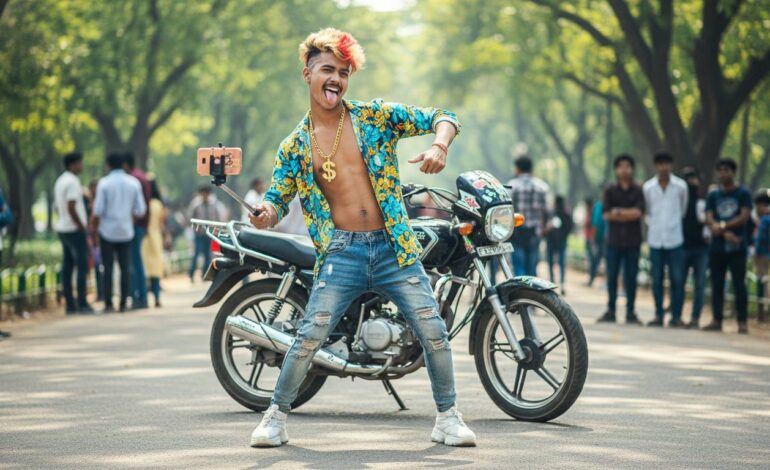
Let’s get this straight: chapri refers to someone perceived as superficial—wearing flashy clothes, doing over-the-top social media, trying too hard to be stylish. It’s like calling someone cringe or tacky .
But the insult doesn’t land in a vacuum. It’s loaded with deeper, caste and class undertones. Rooted in the historical caste of Chapparband, who made or repaired thatched roofs (“chappar”), the word originally marked a marginalized community. Over time, it became a slur, now used loosely to shame style and behavior tied to the urban poor .
So in short, chapri = cringe + caste-class stigma.
Linguistic Roots and Etymology
Chappar, Chapparband, and Beyond
Its etymological path starts from words for “roof.” In several Indian languages, words like chappar refer to a hut roof. The Chapparband caste—roof menders—were historically stigmatized, especially under British colonial labeling as “criminal tribes” .
Transition from Identity to Insult
By the 2010s, chapri shed its literal caste connection and became a slang for anyone deemed “low taste.” In Maharashtra’s regional usage, it meant someone having no standards. This shift accelerated online; by 2021, it was trending widely .
Modern Usage: Flashy, Cheap, Cringe
Today, the chapri archetype shows up in TikTok reels or Instagram posts—colored hair, loud outfits, bachelor-party aesthetics, trying too hard to look cool. Social media jokes around this stereotype have made it a viral insult .
Social Implications: Caste and Class Layered Slur
It’s not just about fashion or cringe; it’s a loaded term.
Casteist Overtones
Though mainstream users might not know, chapri traces back to the Chapparband caste. Its usage carries unseen casteist weight. Labels like this indirectly police marginalized communities through language .
Classist Tinge Too
Even divorced from caste roots, chapri often belittles displays of aspiration by economically deprived youth—thrifted clothes, loud style, bold self-expression. These get labeled cheap or clueless, reinforcing class stereotypes .
Policing Self-Expression
The slur often derides people for just being visible in spaces they’re not expected to belong. Online culture roasts, memes, mock content—it’s a brutal way to insist only the “right-looking” can show off .
“The term isn’t just an insult, but a tool of control — telling people how they’re allowed to exist, express, and be seen.”
Chapri Across Social Media and Pop Culture
From YouTube to TikTok Stigma
The word gained pop-culture traction as YouTubers and meme makers roasted TikTok-style flashy creators. Internet culture magnified the insult’s reach .
Regional Spread and Reinforcement
Originally slang in places like Mumbai or Pune, chapri has been adopted nationwide via memes and local roast channels .
Reclamation by Artists
Some artists, especially from underground rap scenes, have begun to reclaim chapri as identity rather than insult. Taking pride in the tag resists stigma and flips the narrative .
Why It Matters: Language, Identity, and Culture
Slurs Don’t Vanish with Time
Even if most users don’t know the history, the caste and class subtext still exist. Using chapri casually keeps subtle discrimination alive .
Equality and Expression
Mocking someone’s aesthetic or body language is one thing. Policing expression—especially of marginalized youth—is another. It narrows who gets to be visible and celebrated .
Understand Before Using
Knowing that chapri comes with baggage means being more mindful. It’s a slapwrapped in a sneer, and using it casually spreads stereotypes.
Summary of Key Insights
- Chapri = flashy, try-hard, cringe—but deeper than that.
- Rooted in the Chapparband caste; now a casteist & classist insult.
- Popularized via social media culture, especially around short-form content.
- Often used to deride aspirations of lower-income youth.
- Some communities reclaim the term as badge of authenticity.
- Usage without awareness perpetuates hidden stigma.
FAQs
Q: Is chapri just a harmless slang?
No—though it’s used jokingly, chapri carries caste and class bias. The term traces back to marginalized communities and reinforces stereotypes when used casually.
Q: Does it still matter if people don’t know the origin?
Yes. Ignorance doesn’t erase impact. Even without intent, the insult continues to marginalize the very people it targets.
Q: Can someone reclaim chapri positively?
Yes. Some artists and individuals proudly wear the label as defiance against stigma. It flips mockery into empowerment.
Q: Should I avoid using chapri altogether?
Mindfulness is key. Unless you’re sure of context and intent, it’s safer to avoid the term—especially if it’s aimed at others’ style or upbringing.
Q: Are there similar words in other cultures?
Yes—like “chav” in the UK or “ghetto” in slang. Language often embeds class divides, even when masked as humor.
Final Thoughts
Calling someone “chapri” might seem harmless, but the term carries heavy historical and social weight. It isn’t just about cringe fashion—it reveals who we accept in cultural spaces. By understanding its origins and implications, we can choose empathy over mockery, and respect over reinforcement of stereotypes.