Ketones in Urine: Causes, Symptoms, and Treatment Options

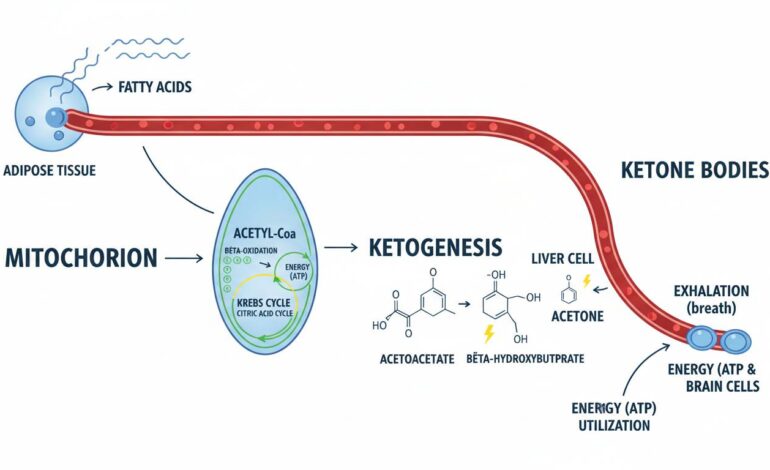
Ketones in urine show up when the body’s burning fat instead of carbs for energy. It’s a direct sign that something in metabolism is shifting—like fasting, heavy exercise, or even diabetes. If you’re seeing ketones on a test strip, it’s key to understand what’s behind it and what to do next.
What Are Ketones and Why Do They Appear in Urine?
When the body runs low on carbs, the liver produces ketones as an alternative fuel. These are organic chemicals—primarily acetoacetate, beta-hydroxybutyrate, and acetone. Normally, the body keeps them in check. But when production spikes—say due to insulin shortage or carbohydrate restriction—they spill into urine. It’s a metabolic sign that fat breakdown is in overdrive.
Beyond that, ketones can reflect:
- Starvation or prolonged fasting—the body shifts to fat stores.
- Low-carb diets—e.g., keto diet, which purposely triggers ketone production.
- Poorly controlled diabetes—especially type 1, where insulin deficiency reigns.
- Intense exercise—the body may switch to ketone fuel.
Understanding the context—diet, medical conditions, recent activity—is critical when you see ketones in urine.
Causes of Ketones in Urine
Metabolic Shifts: Fasting and Low-Carb Diets
When carb intake drops sharply, the body must find alternate energy. Fat becomes the main source. As fat breaks down, ketones rise and show up in urine. Many use this deliberately—like the keto diet—to burn fat. But in others, it can sneak up during missed meals or extreme weight loss efforts.
Uncontrolled Diabetes
In type 1 diabetes, insulin shortages impair sugar uptake. Without sugar entering cells, the body resorts to fat breakdown, creating ketones. Left unchecked, ketone levels can escalate into diabetic ketoacidosis (DKA)—a dangerous condition requiring urgent care.
Illness, Infection, or Dehydration
When the body is stressed—say from fever, vomiting, or infection—metabolism throws a curve. Glucose may stay high or be inaccessible, and the body leans on fat, ramping up ketone production. Dehydration makes things worse, concentrating substances in urine.
Other Physiological Triggers
Conditions like pregnancy, alcohol misuse, or thyroid imbalance can influence ketone presence. While less common, they remind us that ketones are a snapshot of the body’s broader metabolic state.
Symptoms That Accompany Urine Ketones
The presence of ketones sometimes goes unnoticed—until you recognize the clues:
- Frequent urination and thirst—classic signs of diabetes-driven ketones.
- Fatigue, dry mouth, nausea, or stomach discomfort—common in early DKA.
- Fruity-smelling breath—due to acetone.
- Rapid breathing or confusion—warrants immediate medical attention in DKA.
If symptoms are mild and tied to fasting or diet, they usually resolve with re-feeding. But if you notice any severe signs—like confusion, difficulty breathing, or persistent vomiting—seek care promptly.
When Ketones Signal Danger: Recognizing Diabetic Ketoacidosis (DKA)
DKA is a crisis. It occurs when ketones and blood glucose climb together, overwhelming the body. Warning signs:
- High ketones plus high blood sugar (often above 250 mg/dL).
- Deep, rapid breathing (Kussmaul respiration).
- Confusion, lethargy, possibly loss of consciousness.
Immediate hospital care is essential to restore fluid, insulin, and electrolytes. Without it, DKA can escalate quickly and dangerously.
How to Test for Ketones: Tools and Tips
Urine Ketone Strips
These are simple, low-cost strips that change color. Just dip and compare to the chart. They measure acetoacetate and are handy for regular home use. But accuracy can vary—hydration, contamination, even storage matters.
Blood Ketone Meters
These devices measure beta-hydroxybutyrate in the blood. They are more accurate, especially during DKA risk. Many prefer them when tracking a keto diet or managing diabetes. Drawbacks: costlier test strips and slightly more pain from finger pricks.
Testing Best Practices
- Test early in the morning for consistency.
- Use clean, fresh samples and properly stored strips.
- For diabetes or illness, test more often—every few hours if needed.
- Log results to spot trends and share with your healthcare provider.
Treatment Options Based on Cause
Replenishing Carbs or Fluids
If ketones stem from fasting or a low-carb diet, drinking water and eating carbs often help balance things. Even a snack with glucose or fruit juice can reset things fast.
Adjusting Insulin or Medication
For people with diabetes, insulin is key. If ketones appear, extra “correction” insulin may help. But any adjustment needs oversight—talk to your doctor before tweaking doses. Medication changes may be needed if you’re on SGLT2 inhibitors, which can raise ketone risk.
Monitoring and Medical Support
People with persistent ketones, high glucose, or worrisome symptoms must seek care. In clinic or hospital, treatments include fluids, insulin, and electrolyte rebalancing. Once stable, a follow-up plan helps prevent recurrence.
Lifestyle and Ongoing Prevention
- Maintain regular meals and hydration.
- Stick to a balanced diet unless under medical supervision.
- Keep blood glucose controlled if diabetic.
- Monitor ketones during illness, stress, or physical strain.
Real-Life Examples and Anecdotes
- Sarah, on a keto diet, skipped breakfast regularly. She started seeing ketones every morning. Adding a light breakfast cleared them—proof that even small carbs can balance ketone levels.
- Mark, a type 1 diabetic, caught DKA early thanks to noticing ketones. His quick trip to the ER stopped severe dehydration and confusion from spiraling.
- Jeanne had the flu and got ketones alongside fever and nausea. Some fluids and food at home cleared them—but she checked in with her physician to rule out other causes.
These show that context and timing matter. Not every ketone reading spells disaster—but it often means something’s off.
Practical Tips: What to Do When You See Ketones
- Assess the context—diet, exercise, illness, or missed insulin.
- Drink water, eat a carb snack—if no diabetes and symptoms are mild.
- Test again—check in a few hours.
- Track your readings—note time, food, symptoms.
- Call your healthcare provider—if ketones persist, or if you have diabetes and symptoms.
- Head to urgent care—if signs point to DKA or you feel very unwell.
Expert Insight
“Ketones in urine are the body’s call for a metabolic shift—either an emergency or a manageable response to low carbohydrates. The key is knowing what’s behind them and acting accordingly.”
A practicing endocrinologist
That quote puts it bluntly: ketones are neither good nor bad inherently—it’s what they tell us about the body’s current state that matters.
Conclusion
Ketones in urine alert us that the body’s burned fat instead of carbs. Often, it’s harmless—especially with diet changes or fasting. But in people with diabetes, illness, or dehydration, it can turn serious fast. Understanding the cause, testing properly, and responding—whether by eating, hydrating, or seeking care—makes all the difference. In short: don’t ignore ketones. Treat them as a signal and act thoughtfully.
FAQs
What exactly are ketones and why do they show up in urine?
Ketones are molecules the liver makes when it’s burning fat for energy. They show up in urine when the body shifts from sugar to fat for fuel—this can happen during fasting, low-carb diets, or insulin imbalances.
Are ketones always something to worry about?
Not always. Sometimes they’re harmless, like during a keto diet or skipped meals. But in cases of diabetes, illness, or dehydration, ketones can signal a serious issue like DKA and need prompt attention.
How do I properly test for urine ketones?
Use fresh urine and clean containers. Dip a ketone strip, wait the recommended time, and compare the color. Test at a consistent time—like in the morning—and record results for better tracking.
When should I seek medical help for urine ketones?
Seek help if ketones appear alongside high blood sugar, nausea, vomiting, confusion, or rapid breathing. Anyone with type 1 diabetes showing ketones and illness symptoms should go to urgent care immediately.
Can ketones appear during exercise even if I’m healthy?
Yes. Intense or prolonged workouts can make your body rely on fat, raising ketones in urine temporarily. Hydrate and refuel with carbs post-exercise to help clear them.
Do low-carb diets cause long-term ketones?
Often yes—especially in strict keto diets. It’s generally safe if you’re healthy and under guidance, but monitoring remains wise. If ketones persist and symptoms arise, reevaluate with health support.