OG Full Form: What Does OG Stand For? Meaning & Usage Explained

What Does “OG” Actually Stand For?
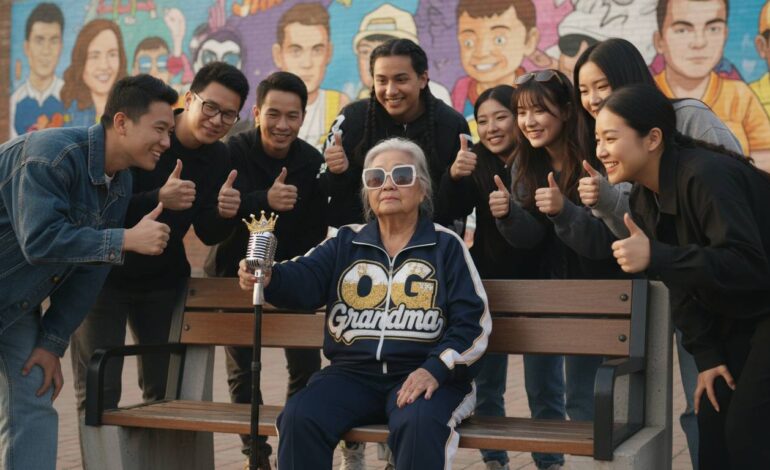
OG is short for Original Gangster, and yes—it literally means that. Over time though, it’s evolved into a term of deep respect, signaling someone or something that’s authentic, established, and influential in a given context. No fluff—it’s a term of admiration, whether it’s for a person, idea, or original version. Feel free to think of it as a shout‑out to the real ones, the OGs of anything.
The Roots: From Street to Slang
The journey of OG begins in the early 1970s with the Los Angeles Crips gang, who used “Original Gangster” to denote founding or long-established members. OG was shorthand acknowledging seniority and loyalty.
Then in 1991, Ice‑T’s album O.G. Original Gangster helped the term break into public awareness. That launch helped shift OG from gang culture into hip‑hop, and eventually mainstream language.
How “OG” Has Sharpened Its Meaning Over Time
The term has morphed into these main shades of meaning today:
1. Original / First of Its Kind
It can mean “the original version” of something. Picture someone saying, “I prefer the OG version of the game,” meaning the classic, authentic one.
2. Respected Veteran or Pioneer
Calling someone an OG usually hints at their longevity, credibility, or influence within a community. For example, “She’s an OG in the coding world.”
3. Authenticity and Realness
Sometimes OG simply means “real,” “true,” or “kept it real.” As in “He’s OG—never switched up.”
So, whether you’re talking about a person, a version of a product, or a vibe, OG points to originality, authenticity, or relevance from the start.
Examples That Make Sense
- “That’s the OG recipe—straight from grandma.”
- “You’re my OG friend—day one, through it all.”
- “He’s an OG gamer, been playing since the arcade days.”
Each example hints at respect—either for seniority, originality, or that real‑one vibe.
OG in Different Contexts
Social Media & Texting
On TikTok, Twitter, Snapchat, or Slack, OG is a quick call‑out to originality or rep. People say things like “This audio is OG,” or “Tag the OG creator.”
Gaming & Sports
In gaming, OG can mean early access, rare skins, or legendary players. Sports figures who innovate or set the trend might get dubbed OG.
British Slang Context
In the UK, OG is often used informally to mean “authentic” or “true to yourself.” It’s about respect—like calling someone a cornerstone of a music genre or subculture.
Why It Sticks: Cultural & Linguistic Power
- Hip‑hop heritage: OG roots in AAVE and gang culture gives it depth and authenticity.
- Versatility: Works for people, products, or vibes—makes it pop across domains.
- Emotional weight: It’s always respect, often nostalgic, almost always positive.
“Calling someone an OG is shorthand for respect—a nod to their roots, consistency, and authenticity.”
Practical Side: When and How to Use OG
OG is largely informal slang—it’s perfect in everyday convo, captions, friendly banter. You’d use it to:
- Highlight foundational figures or things
- Give cred to seasoned veterans or early adopters
- Celebrate authenticity, originality, or true essence
Just don’t drop it into formal documents or business emails—unless you’re being playful, and know your audience.
Quick Comparison: OG vs GOAT
- OG = original, authentic, pioneer, respected long‑timer.
- GOAT = Greatest Of All Time—that top epic level.
You might say Michael Jordan is OG in terms of trailblazing the modern game, and also the GOAT in terms of unmatched skill.
Final Thoughts
OG started as Original Gangster, deeply rooted in street culture, and has broadened into a term that signals authenticity, originality, and earned respect. Today, whether you’re talking about veterans, originals, or just calling someone “real,” OG carries weight. It’s become a cultural nod that links today’s digital slang with generations of identity, history, and language.
FAQs
FAQs
1. What does OG stand for?
OG stands for Original Gangster. Originally a street‑culture title, nowadays it signals authenticity, respect, or an original vibe.
2. Is OG always a compliment?
Mostly yes—it implies respect for experience, originality, or realness. But tone matters—if used sarcastically (“okay, OG…”), it can feel dismissive.
3. Can OG refer to things, not people?
Definitely. You’ll hear “OG version,” “OG recipe,” or other “original” references to classic versions of stuff.
4. What’s the difference between OG and GOAT?
OG is about being original or foundational; GOAT means greatest ever. They overlap but highlight different forms of praise.
5. Is OG used the same in the UK?
Yes and no. In the UK, OG often implies authenticity and respect, but it’s used casually and carries more emphasis on being “real” or “loyal” rather than literal origin.
And that’s the OG scoop—original, genuine, and here—just for you.