Brain Rot Words: Slang, Memes, and Phrases Causing Social Media Brain Rot

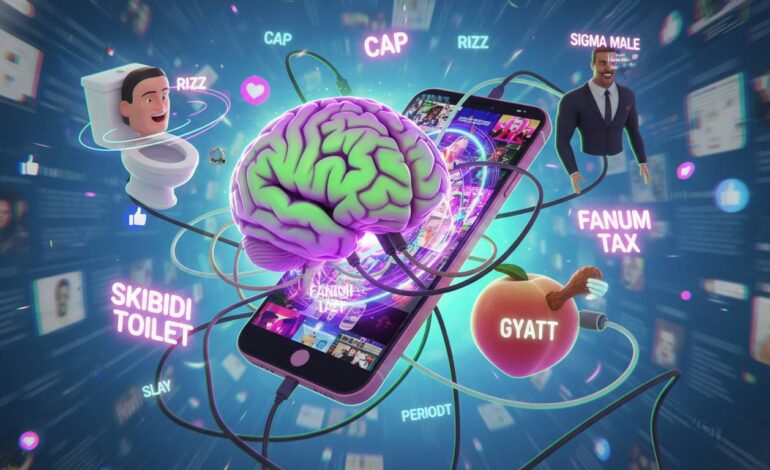
Brain rot words are those catchy, meme-driven phrases and slang that latch onto our minds through endless sharing—think “cheems,” “stonks,” or “ok boomer.” They come up in chats and posts so often you practically feel your brain melting. These words spread fast on TikTok, Twitter, Discord and beyond. Now let’s get into why they’re so addictive, how they spread, and why they matter in online culture.
What Makes Brain Rot Words So “Sticky”?
They stick because they’re:
- Short, playful, and fun to say.
- Paired with memes or inside jokes.
- Used often in quick conversations or replies.
- Emotionally loaded—funny, absurd, nostalgic.
When repetition meets humor, your brain doesn’t just remember, it craves that next reference. On top of that, seeing them constantly in group chats or replies makes you feel like you’re missing out if you’re not using them, too.
Origins – Where These Slang Phrases Come From
Meme Culture as a Slang Factory
Meme pages and forums like Reddit, Twitter/X, and TikTok are breeding grounds for new slang. A user jokes about a situation. Others mimic it. Soon there’s a video, a remix, a voice-over trend, and voilà—the phrase spreads.
Pop Culture Crossover
TV shows, games, or viral videos often give birth to these phrases. For instance, “it’s corn” came from a viral interview. “Cheems” was originally just a dog meme, now an entire pupper-based slang universe exists.
Remixing Language Online
With realities that shift faster than slang evolves, people shorten, mash-up, or twist phrases. “Renamed” becomes “renome,” “thank you” becomes “tysm,” and the world says, “I know exactly what you mean.” That mental shortcut helps slang ripple through comment threads and DMs.
Why They Matter Beyond Silly Words
Shared Identity
Using these slang phrases signals that you “get it.” It’s a kind of linguistic badge among online communities—whether that’s gamers, fandoms, or meme-lovers.
Branding and Marketing Potential
Brands sometimes tap into this language to sound more current and relatable—though risky if the phrase feels forced or past its peak. Some memes die as fast as they trend.
Language Evolution In Real Time
Contrast “doggo” with Shakespeare’s “wherefore art thou.” The shift in tone, syntax, and purpose is striking. Brain rot words are Mozilla Firefox’s Canary builds—experimental, raw, constantly updating.
Anatomy of a Brain Rot Word
| Element | Description |
|—————|—————————————————————————–|
| Catchiness | Easy to type, say, or memeify (e.g., “cheems,” “sus,” “yeet”) |
| Humor/Nonsense| Signs of absurdity or sarcasm make them feel fresh and funny |
| Repetition | Group conversations or reposts reinforce familiarity |
| Flexibility | Can bend to contexts (reply, substitution, reaction) |
Online Trend Lifecycle
- Emergence – Someone jokes, memefies, or voices a quirky phrase.
- Uptake – Early users repeat or remix.
- Saturation – The phrase is everywhere—videos, comments, group chats.
- Decay – Overuse or new slangs push it out—only the resilient terms stay around.
Real-World Examples
“Sus”
Originally short for “suspicious” in gaming, gained massive Quentinance in Among Us fan communities. It’s still alive in Discord servers—particularly when someone behaves suspiciously or consumer-brandishing kin.
“Cheems”
That shiba inu dog made “doggo” look tame. “Cheems” specifically adds stuttering—including an extra “m” or “s” for comedic effect. It describes someone awkwardly extra or mildly anxious in a super cute way.
“Shrug Emoji Culture”
A simple ¯\(ツ)/¯, yet it conveys a world of nonchalance or “I can’t even.” People drop it when they don’t care—or when there’s so much going on, who even knows anymore. Literally, shrug in text form.
When Words Turn into Cultural Touchstones
These phrases don’t stay isolated in internet bubbles. Sometimes they jump mainstream.
- “OK boomer” was everywhere—TikTok, Twitter, late-night jokes—so it echoed through media coverage and college campuses.
- “It’s corn” got remixed into songs and talk show bits.
That’s when keeping up becomes a tiny form of cultural literacy.
Slang Pitfalls for Brands and Creators
Risk of Missing the Mark
Memes age fast. If a brand uses a phrase after it’s over, it’s more cringeworthy than charming.
Alienation and Inauthenticity
When brands go halfway trying to be “lit,” consumers can smell the effortless tryhard. Authenticity rules—if a brand doesn’t genuinely fit the phrase, skip it.
Navigating Trends
- Monitor the freshest slang waves on TikTok, Discord, or trending YouTube Shorts.
- Observe where the phrase lives authentically—not just surface-level repost.
- Test in small doses, with context, before full-scale rollout.
When Brain Rot Slang Sticks Around
Some phrases become staples in teen speak. “LOL,” for example, has real staying power. Compare “LOL” to “yeet”—the latter will fade unless it layers into broader usage.
These durable words—where they accurately fill a gap or feel intuitive—can become actual language evolution.
Expert Insight
“The magic of these internet-born words lies in their spontaneity and shareability. They tap into humor and community in a way traditional language can’t,” says linguist Dana Brouke.
Brouke studies digital slang. She sees these terms as “living vocabulary—ever changing, emotionally charged, and powerfully social.”
Keeping the Energy, Not the Rot
To ride the wave and stay ahead:
- Be selective about usage—keep it meaningful or situational.
- Watch for tone and audience—what’s fun for Gen Z gamers might flop in LinkedIn comments.
- Use subtlety—just a nod can register deeper than full emulation.
Conclusion
Brain rot words are more than just silly internet jokes—they’re social glue and language evolution in motion. They stick through humor, repetition, and emotional resonance. Yet they vanish as fast as they rise. The best approach—observe them, let them reflect your voice genuinely, and only use them when it really fits.
Slang that’s quirky and fresh can connect, but forced usage just dilutes trust. Take the example of “sus”—alive because it’s contextually natural. Brands and creators who treat brain rot with respect (and irony) can join the ride without sliding into cringe. Be part of the moment, not its echo.
FAQs
What exactly are “brain rot words”?
They’re internet slang and meme phrases that become overly familiar, repeated to the point of silliness or obsession—like “cheems,” “sus,” or “yeet.”
Why do these words catch on so easily?
They’re short, fun, often absurd and emotionally light. Repetition in group chats and memes makes them stick instantly.
Are brain rot words permanent?
Most aren’t. Trends tend to fade fast unless they become genuinely useful or culturally persistent, like “LOL.”
How can brands safely use this slang?
Watch trends closely. Use them only when appropriate and authentic. Better to nod subtly than shout it out.
Could these words influence real language?
Absolutely. Some phrases evolve into broader, long-term usage. This is language in fast-forward—slang becoming vocabulary.