213 Area Code: Location, Cities, Map, and Phone Number Lookup

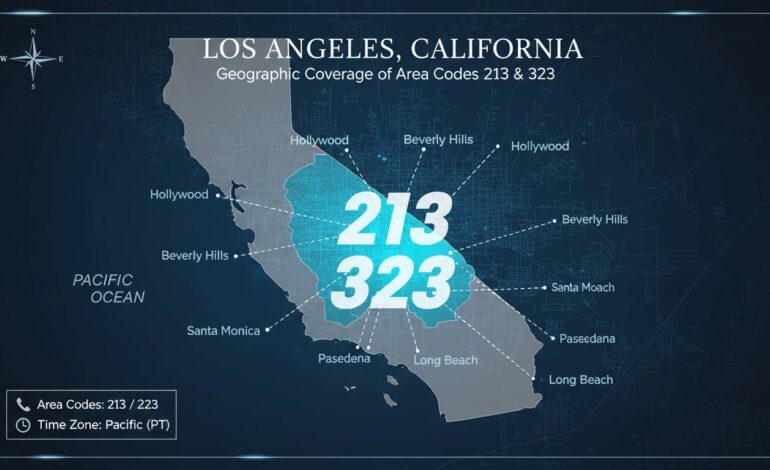
The 213 area code is a central Los Angeles code covering downtown and surrounding neighborhoods. It’s one of those classic, iconic numbers that you instantly link with LA. Here’s what’s happening: 213 was the very first area code for California assigned back in 1947. It’s now serving parts of downtown L.A., Hollywood, Koreatown, and parts of surrounding areas. That’s the short, to-the-point answer you’d want right at the top.
Now let’s dive in—because it’s kinda fascinating how a simple three-digit number tells a story about geography, history, and even modern telecom quirks.
Why the 213 Area Code Stands Out
A Bit of History and Relevance
The 213 area code was among the very first area codes established in the U.S. back in 1947. That was when AT&T rolled out the North American Numbering Plan. Originally, it covered almost the entire southern half of California. But as population and phone demand soared, they had to split it multiple times. Its reach shrank over time, but ironically, that made it more exclusive—people now associate 213 with central LA. Suddenly your number kinda says, “I’m downtown.”
Downtown LA, Hollywood, Koreatown… those all still fall under 213. It’s not just a number—it’s a status bit. Real estate agents, local businesses, even some hip startups want that code on their bill. It’s like a tiny stamp saying “I’m part of the core.”
Map and Coverage Areas
Picture a map of Los Angeles and focus on the dense urban core. That’s the heart of 213. The area stretches through downtown LA, parts of Echo Park, East Hollywood, Koreatown, and just a slice of South LA neighbors. It doesn’t extend too far west or south anymore, so it’s pretty compact—but packed with energy, landmarks, and local life.
On that note, if you’ve ever watched LA-centric films or listened to local podcasts, you’ll often hear a number thrown around with a 213 prefix. It’s subtle branding that reminds you where the story is rooted.
Key Cities and Neighborhoods Within 213
Downtown Los Angeles
Downtown LA is the primary zone for 213. Think skyscrapers, office towers, historic theaters, art galleries, and all the commuter traffic galore. When businesses put a 213 number on their sign, they’re saying, “We’re pulse-point.”
Echo Park & East Hollywood
These neighborhoods are just to the north and east of the core. Echo Park has that artsy, indie vibe. There are murals, coffee shops, vintage boutiques—artists and entrepreneurs thrive there. East Hollywood, closer to Koreatown, shares that mix of old-school LA and newer cultural hotspots.
Koreatown
It’s one of the densest communities in the U.S., plus packed with vibrant restaurants, nightlife, and cultural institutions. A 213 number here feels like a nod to a neighborhood that balances tradition with modern hustle.
Border Overlaps
Some pockets in nearby neighborhoods like Silver Lake or parts of South LA may still fall under 213. The boundaries can be kinda zigzaggy, thanks to how splits and overlays happened historically. So, there’s always some fuzziness to where exactly 213 ends and a different code begins.
Quick Lookup: How to Check if a Number is in 213
Need to confirm if a number belongs to the 213 area code or find out its current assignment? Here’s a fast rundown:
- Use WHOIS-like telecom lookup tools or NANPA (North American Numbering Plan Administration) resources.
- Input the number or prefix—like the first three digits.
- You’ll see if it’s still active in 213 or if it’s been ported to an overlay like 323.
A note: overlays like 323 were added when the 213 area started running out of numbers. These overlays serve the same geographic area but share the numbering space. So, a number that once was 213 might now operate under a different overlay.
Why Overlays Matter
What Overlays Do
Overlays let telecom providers add more numbers without reassigning existing ones. Instead of changing your number, they just overlay a new area code—so two people in the same building might have different area codes even if they live right next door.
That’s why 323 is layered over the same parts as 213. You can’t tell location just by the area code anymore.
Impact on Users
For locals, this means dialing full 10-digit numbers within LA, even if you’re calling next door. It feels a bit cumbersome, but it’s necessary. Some businesses still market with 213 prominently—they like that association. Others simply blanked out the area code entirely.
Real-World Examples & Anecdotes
Take a local café in Koreatown—a new spot with a 213 number. They said in a quick chat, “It just feels more downtown, even though we’re technically not steps from City Hall.” It’s a subtle branding move.
Another example: a tech startup in East Hollywood purposely got a 213 number to appeal to some investors and new hires who’d say, “You’re seriously core LA.”
These small details shape perception—even among folks who mostly communicate online.
Summary of 213 Area Code: What Matters Most
- Origin: One of California’s original area codes from 1947.
- Current Cover: Downtown LA, Koreatown, Echo Park, East Hollywood, a few border zones.
- Symbolic Power: Signals central LA credibility.
- Overlays: 323 shares same region; porting and overlays blur area-code-based geography.
- Lookup Tools: Telecom directories and NANPA resources help confirm assignment.
- Cultural Flavor: People and businesses use it for branding and identity.
FAQs
Is the entire city of Los Angeles covered by 213?
No, only the central parts—like downtown, Koreatown, Echo Park, and East Hollywood—are in 213. Other parts use overlays like 323, 424, or completely separate codes.
When did the 213 area code originally start?
It was one of the first area codes in California, assigned in 1947. Over time, splits and overlays reduced its coverage.
Why does 323 overlay 213?
Because LA needed more phone numbers without forcing everyone to change their numbers. So 323 was added on top of 213 to expand capacity.
How can I check a number’s area code?
Use telecom lookup tools or NANPA resources. Input the prefix or full number to see if it’s active in 213, 323, or another overlay.
Does having a 213 number still matter?
It does, especially in branding. It signals connection to central LA and often carries credibility with locals or investors.
Concluding Thoughts
213 may look like just another area code. But peel back the layers and it’s woven into Los Angeles’s identity. Origin stories, splits, overlays—it’s all about how infrastructure meets culture. For residents, businesses, or curious minds, that little code speaks volumes. Want to know the full map or check a specific number? Dig into telecom tools or NANPA data and you’ll see more of the story—one prefix at a time.