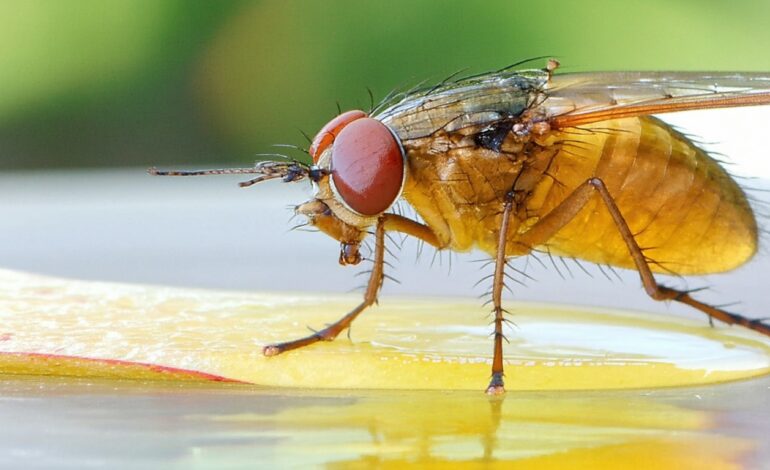
Learn how to create an effective fruit fly trap using apple cider vinegar. Discover expert insights, step-by-step instructions, common pitfalls, and real-world tips for pest-free kitchens.
Understanding the Fruit Fly Problem in Homes
Fruit flies are a persistent nuisance in kitchens and pantries across the globe. Driven by a penchant for fermenting foods, these tiny insects multiply rapidly when exposed to ripe fruits, vegetables, or even residues in recycling bins. According to university extension studies, a single female fruit fly can lay hundreds of eggs, making early intervention essential to avoid a minor inconvenience turning into a full-blown infestation.
The problem tends to peak in warm, humid months when households stock more fresh produce. Urban settings, especially apartments with limited ventilation or compost disposal options, face increased risk. Beyond their irritation factor, fruit flies can also introduce bacteria onto surfaces and foods, highlighting the need for practical, safe, and eco-friendly control methods.
Why Apple Cider Vinegar Is So Effective Against Fruit Flies
The appeal of apple cider vinegar as a fruit fly trap hinges on its strong scent and fermentation byproducts. Unlike synthetic bait, apple cider vinegar is naturally appealing to fruit flies because it mimics the aroma of rotting fruit, their preferred habitat for feeding and laying eggs.
Biological Attraction Mechanism
Fruit flies (Drosophila melanogaster) are drawn to the acetic acid and volatile compounds released by apple cider vinegar. These chemical signals effectively lure them away from other food sources. Once attracted, flies are easily captured due to their predictable behavior.
Safety and Accessibility
Apple cider vinegar is non-toxic, biodegradable, and available in most kitchens. In contrast with commercial traps that contain synthetic lures or pesticides, using household vinegar is safer for both food environments and children or pets.
“Apple cider vinegar offers a unique combination of practicality and effectiveness, making it one of the go-to solutions for fruit fly control in both residential and professional kitchens,” says Dr. Susan Markham, an urban pest management specialist.
How to Make an Effective Fruit Fly Trap with Apple Cider Vinegar
Building your own trap requires only a few simple materials, most of which are likely already on hand. The standard design maximizes fly attraction while minimizing escape, ensuring high capture rates without resorting to chemicals.
Materials Needed
- Apple cider vinegar (unfiltered, if available)
- Small glass or jar (clear or translucent)
- Plastic wrap or a funnel
- Rubber band (if using plastic wrap)
- Dish soap (a drop or two)
Step-by-Step Guide
- Pour the Vinegar: Add about an inch of apple cider vinegar into the bottom of a clean jar or glass.
- Add Dish Soap: Mix in a couple of drops of dish soap. This disrupts surface tension, ensuring the flies sink and cannot escape once inside.
- Create the Trap Lid: Cover the opening with plastic wrap, securing tightly with a rubber band. Poke several small holes (a toothpick or fork works well) in the top; large enough for fruit flies to enter, but small enough to prevent easy escape.
- Alternative: Use a paper funnel with the narrow end pointing down into the glass. This allows flies to enter, but makes it difficult for them to fly back out.
- Strategic Placement: Set the trap near areas of infestation—typically fruit bowls, produce drawers, or garbage areas.
Tips for Best Results
- Replace the vinegar every few days, especially as it becomes saturated with trapped flies or debris.
- Clean discarded produce promptly and avoid leaving damp towels, compost bins, or unwashed glasses nearby.
- For persistent populations, deploy multiple traps throughout the affected area.
Common Mistakes to Avoid with DIY Fruit Fly Traps
Even tried-and-true methods can fall short with improper execution. Some frequent errors include:
- Using the Wrong Vinegar: White vinegar or wine vinegar may not attract as strongly. Stick to apple cider vinegar for optimal effect.
- Insufficient Dish Soap: Omitting dish soap allows flies to escape by landing on the liquid’s surface.
- Poor Trap Placement: Traps placed far from problem areas seldom draw significant fly activity.
- Overcrowded Traps: If too many flies accumulate, they may block new entrants. Change out traps regularly.
In practice, simple modifications, such as switching to a clean container or relocating traps, can dramatically improve results.
Real-World Results: Case Study & Insights
In a survey published by a leading consumer magazine, readers reported that apple cider vinegar-based traps captured “the majority of visible fruit flies within 48 hours,” even in busy shared kitchens. Food service professionals also favor vinegar traps as a first-line, low-risk intervention before considering pest control services.
One Brooklyn bakery shared its recent experience: By positioning three small jar traps around the prep area and fruit storage shelves, they reduced fruit fly activity by over 80% within one week—without disrupting bakery operations or exposing foods to harsh chemicals.
Integrating Fruit Fly Traps into a Broader Pest Management Approach
While apple cider vinegar traps are highly effective, they function best as part of a comprehensive prevention strategy. Tackling the root causes is key to sustained results.
Additional Best Practices
- Food Storage: Store ripe fruits and vegetables in sealed containers or the refrigerator.
- Regular Cleaning: Sanitize countertops, sinks, and drains to eliminate lingering attractants.
- Garbage Management: Empty food waste bins daily and keep lids tightly closed.
- Routine Inspection: Monitor for signs of infestation and act swiftly to prevent escalation.
For larger or recurring infestations, consider a periodic review of sanitation practices and consult professionals if natural solutions prove insufficient.
Conclusion: Small Actions, Big Results
The humble fruit fly trap using apple cider vinegar stands out for its simplicity, safety, and proven efficiency. Consistent use, paired with good household hygiene, can break the breeding cycle and restore comfort to any kitchen or pantry space. In a time of growing concern about chemicals and ecological impact, this homemade remedy remains a gold standard for safe, immediate pest control.
FAQs
How long does it take for a vinegar fruit fly trap to work?
Most users notice a significant decrease in fruit flies within 24 to 48 hours of setting out the trap, especially if it’s placed near infestation hotspots.
Can I use another type of vinegar instead of apple cider vinegar?
Apple cider vinegar is preferred because its scent is far more appealing to fruit flies. Other vinegars, like white or balsamic, may not yield the same results.
How often should I change the vinegar in the trap?
For optimal effectiveness, refresh the vinegar and clean the trap every three to five days, or as soon as you notice a buildup of flies or debris.
Is this method safe to use in homes with pets or young children?
Yes, apple cider vinegar traps are non-toxic and safe for kitchens. However, keep traps out of direct reach to prevent spills or unintended contact.
Do I need to use dish soap in the trap?
A drop or two of dish soap helps ensure that trapped flies cannot escape by breaking the surface tension of the liquid. Skipping this step may reduce the trap’s effectiveness.
What should I do if the traps don’t solve my fruit fly problem?
If the issue persists despite properly used traps, inspect your home for hidden food sources, increase cleaning frequency, and consider consulting a professional pest control service.