Cocktail Attire for Men: Essential Style Guide and Outfit Ideas

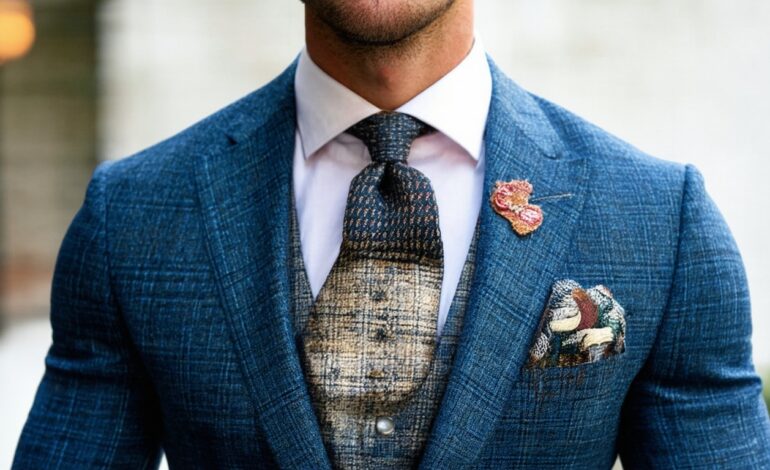
A well-dressed man at a cocktail event stands at the intersection of personal style and universally recognized etiquette. Cocktail attire for men, though less rigid than black tie, still demands deliberate choices—balancing sophistication, setting, and individual flair. As social calendars fill with weddings, networking events, and upscale celebrations, mastering cocktail attire has become essential. The resurgence of formal dress codes in the post-pandemic era, coupled with shifting fashion norms, has renewed interest in what it means to dress “cocktail casual” yet polished.
What Is Cocktail Attire for Men? Origins and Evolution
Cocktail attire first emerged in the early 20th century when afternoon and early evening gatherings became popular among urban elites. The dress code was intended to be less formal than the black-tie tuxedo but more refined than everyday business wear. Classic cocktail dressing has since evolved into an adaptable formula: a tailored suit, crisp shirt, statement accessories, and smart footwear.
“Cocktail attire is about achieving a harmonious balance where you look sharp—never underdressed, never overdressed—and feel like yourself,” explains designer and menswear consultant David Coggins.
While the essentials remain, modern cocktail attire for men now embraces more color, pattern, and individualized accents than in past decades. However, foundations like fit, fabric, and occasion-appropriate choices still reign supreme.
Key Elements of Men’s Cocktail Attire
The Modern Suit: Cut, Color, and Fabric
A well-fitted suit is the cornerstone of cocktail attire for men. Traditional options—navy, charcoal, and deep green—provide versatility across seasons. In summer, lighter shades such as dove grey or sand work, particularly at outdoor or daytime events. While classic wool suits prevail, lightweight blends (linen, cotton, or high-twist wool) are increasingly popular for both comfort and contemporary appeal.
Unstructured or softly tailored jackets offer modern alternatives, while double-breasted blazers can add character if styled with restraint. Patterned suits (think subtle checks or pinstripes) are allowed but should not overpower the ensemble.
The Shirt: Crisp, Clean, and Complementary
Understated shirts in white or pale blue remain foolproof for cocktail events. That said, light patterns or textures can inject personality, provided they harmonize with suit and tie. The shirt should be freshly pressed, well-fitted, and with a collar that frames the wearer’s face without gaping.
The Tie and Accessories: Refined Statements
While some progressive venues welcome tieless looks, a silk tie—solid or with subtle motifs—is still recommended for most formal invitations. Pocket squares, cufflinks, tie bars, and discreet lapel pins allow for tailored expression. Leather belts and dress watches complete the look without drawing undue attention.
- Opt for silk or textured ties in deep hues or subtle geometric prints.
- Pocket squares in contrasting but coordinated shades elevate visual interest.
- Jewelry should remain classic and understated—think silver or gold cufflinks and a sleek wristwatch.
Footwear: Polished and Purposeful
Dress shoes are non-negotiable. Oxfords, derbies, or a well-kept loafer in black or dark brown leather sets the right tone. For less traditional settings, velvet slippers or monk straps can work—but always ensure shoes are clean, polished, and free of scuffs.
Navigating Seasonal and Setting-Based Variations
Warm-Weather and Outdoor Cocktail Events
Summer’s heat invites lighter fabrics and a relaxed palette. Beige linen or sharp blue cotton suits, open-weave shirts, and suede loafers keep comfort and style in balance. No-show socks or bold patterned pocket squares add a seasonal touch, while straw Panama hats occasionally make a reappearance at garden parties.
Cold-Weather and Indoor Celebrations
In contrast, colder months favor darker hues, substantial wools, and layered textures. A cashmere blend overcoat, fine gauge merino sweaters, and heavier-soled shoes insulate against the chill without sacrificing formality. Patterned socks or velvet ties inject seasonal flair.
Common Cocktail Attire Mistakes and How to Avoid Them
Despite its flexibility, cocktail attire has clear “don’ts”:
- Ill-fitting suiting: Baggy jackets or trousers instantly undermine the look. Tailoring is key.
- Overly casual pieces: Jeans, sneakers, and graphic tees are out of place. Save these for casual Friday.
- Loud patterns or novelty accessories: Keep experimentations subtle; the goal is elevated, not eccentric.
- Neglecting grooming: Even a sharp outfit falls flat without neat hair and trimmed facial hair.
In practice, the best-dressed guests are those who appear effortless—a product of thoughtful preparation rather than visible effort.
Outfit Inspiration: Cocktail Attire Ideas for Men
Classic Evening Reception
- Navy, slim-fit suit
- White shirt with a cutaway collar
- Deep burgundy silk tie
- Polished black cap-toe Oxfords
- White linen pocket square
Summer Rooftop Event
- Light blue cotton suit
- Sky blue shirt (top button open, no tie)
- Patterned silk pocket square
- Cognac loafers, no-show socks
Creative Industry Gala
- Charcoal suit with a subtle windowpane check
- Black turtleneck sweater
- Textured gray wool pocket square
- Black leather Chelsea boots
These scenarios illustrate the adaptability of cocktail attire, blending tradition with modern context.
Cocktail Attire Trends: Sustainability and Personalization
Recent years have seen noticeable trends in cocktail dressing. Leading menswear brands now embrace sustainability, offering recycled fabrics and local tailoring. Rental services have also gained traction, letting men test new styles without permanent investment—a response to fast fashion concerns.
Personalization is on the rise via custom linings, monograms, and uniquely sourced accessories. Men are encouraged to experiment within the dress code: muted florals, mismatched patterns, or statement socks ironically telegraph understated confidence.
Data from menswear retailers underscores this evolution, with demand for bespoke tailoring and sustainable garments increasing steadily year over year.
Conclusion: The Lasting Impact of Thoughtful Cocktail Attire
Dressing well for cocktail occasions remains a mark of respect—for the host, the event, and oneself. In a landscape where dress codes evolve, the principles of cocktail attire for men remain grounded in fit, appropriateness, and a quiet kind of self-expression. The best cocktail ensembles are those that navigate tradition and trend, leaving the wearer poised and confident.
Whether choosing between a classic navy suit or experimenting with contemporary touches, mindful preparation ensures a flawless appearance. Ultimately, successful cocktail attire is less about rigid rules and more about sartorial awareness, adaptation, and confidence.
FAQs
What is the difference between cocktail attire and business attire for men?
Cocktail attire is typically more festive and sophisticated, featuring sharper suits and statement accessories, while business attire is more conservative with subtle colors and minimal embellishments.
Can you wear a bow tie with cocktail attire?
A bow tie is generally reserved for black tie, but slim, tasteful bow ties in silk can work at less formal or themed cocktail events—provided the rest of the outfit remains classic.
Are jeans ever acceptable for men’s cocktail attire?
Jeans are not recommended, as they undermine the intended formality of cocktail attire. Tailored trousers or a full suit should always be chosen instead.
Are socks optional with cocktail attire for men?
At traditional indoor events, socks are expected. However, for some modern summer or outdoor events, going sockless with loafers can deliver an updated twist—provided the shoes and suit remain formal.
How important is tailoring for cocktail attire?
Proper fit is absolutely essential; even an expensive suit looks unremarkable if untailored. Investing in basic alterations, such as jacket sleeves or trouser hems, makes a noticeable difference.
Can I skip the tie for cocktail attire?
Some contemporary social events allow for a tieless look, especially with a perfectly cut suit and an elegant shirt. However, when in doubt, wearing a tie is safer and demonstrates respect for the host and occasion.