Jelly Roll Weight Loss: Transformation, Diet, and Fitness Journey

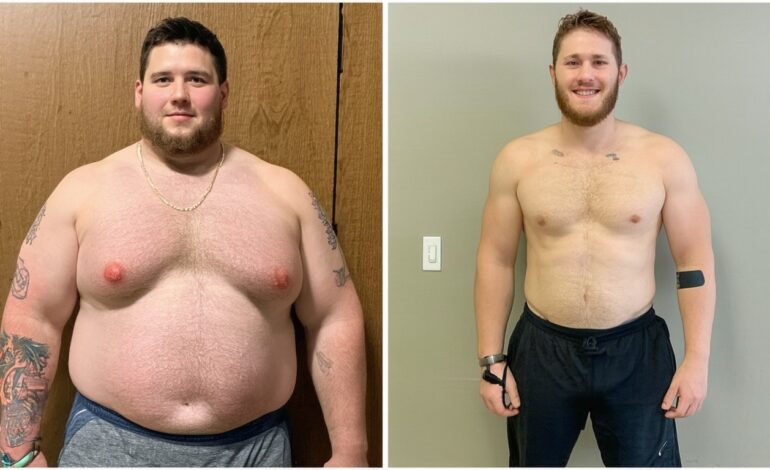
Jelly Roll, the Nashville-based singer-songwriter, has captured millions with his honest lyrics and powerful voice. But in recent years, it’s not just his music that’s making headlines—his remarkable weight loss journey has inspired fans worldwide. His transformation, both physical and emotional, reveals the complex challenges artists face under the public spotlight, and underscores the broader narrative of health battles in the music industry.
From Struggles to Spotlight: Jelly Roll’s Personal Journey
Before his career skyrocketed, Jelly Roll (born Jason DeFord) grappled with obesity for much of his life. Raised in a working-class neighborhood, culinary indulgence and emotional eating were constants. As his musical stardom grew, so did the pressures: constant touring, erratic schedules, and a lifestyle where fast food often became standard fare.
By his own admission, Jelly Roll’s weight peaked above 500 pounds. The health toll was significant—he struggled with sleep apnea, constant fatigue, and mobility problems. Yet, the turning point wasn’t a single doctor’s warning or a red-carpet wakeup call. Instead, it was the realization that he wanted longevity: to see his daughter grow, to perform for decades, to use his platform for more honest storytelling.
“I got tired of feeling tired. I wanted to be able to keep up with my daughter, to chase my dreams and not get winded.”
This sentiment, echoed in countless interviews, reflects why his narrative resonates so deeply.
What Sparked Jelly Roll’s Weight Loss Commitment?
Unlike the whirlwind transformations often seen in celebrity circles, Jelly Roll’s approach was grounded in realism. He rejected crash diets and instead prioritized incremental lifestyle changes. The catalyst for his transformation was not just rooted in aesthetics but in the urgent need for sustainable health.
Family played a crucial role—his wife Bunnie Xo was a consistent source of encouragement, helping to modify daily routines and keep him accountable. Jelly Roll’s weight loss journey wasn’t linear; progress came with setbacks and adjustments. He frequently reminded fans via social media that battling obesity is never a solitary struggle, and seeking support is a sign of strength.
Conversations with medical professionals highlighted the risk factors—especially as he approached his late 30s. Sleep apnea had become a frightening reality, underlining the urgency for change. The added responsibility of being a father deepened his motivation, adding a layer of personal accountability to the mix.
Diet Overhaul: How Jelly Roll Changed His Relationship with Food
Small Steps, Lasting Results
Jelly Roll’s weight loss strategy centered around mindful eating rather than deprivation. Instead of subscribing to restrictive diet trends, he began tracking his calorie intake, reduced processed foods, and increased his focus on lean proteins, vegetables, and whole grains.
He often shared his challenges and victories with fans, highlighting his love for traditional Southern cuisine while also discussing the importance of moderation:
- Swapping fried foods for grilled alternatives
- Reducing sugary drinks in favor of water and unsweetened tea
- Cooking more meals at home to control portions and ingredients
The psychological component of his journey featured heavily. He leveraged therapy and group support to rewire habits developed over decades. Stress-eating was gradually replaced with healthier coping mechanisms like music, exercise, and family time.
Real-World Nutrition Tactics
Dietitians note that among those managing significant weight loss, the most enduring changes typically stem from balanced, flexible eating patterns. Jelly Roll’s evolving relationship with food mirrors findings in several nutrition studies: incremental, realistic changes consistently outperform extreme restrictions, reducing the risk of relapse.
Incorporating Exercise: Fitness As a Mental and Physical Reset
While dramatic physical transformations in the entertainment industry sometimes hint at surgical interventions, Jelly Roll’s emphasis remained steadfastly on hard work. His social media posts chronicled early-morning walks, gym sessions, and even grueling circuit workouts.
Routines That Fit a Demanding Schedule
For touring artists, finding consistency is always a challenge. Jelly Roll focused on a blend of strength training and cardio, including:
- Walking and jogging for endurance
- Full-body routines using resistance bands and bodyweight exercises
- Low-impact activities (like swimming) to minimize strain on joints
He frequently collaborated with trainers who specialized in working with clients overcoming obesity. Over time, the increased activity not only contributed to weight loss but also improved mood and energy levels.
Mental Health and Movement
Sustaining weight loss long-term is closely tied to mental well-being. Research consistently shows that regular physical activity reduces symptoms of anxiety and depression—crucial factors for creatives under pressure. Jelly Roll credits exercise for helping manage stress and fueling his creative process.
“Fitness wasn’t just about losing pounds—it became my therapy, my way to process life on the road.”
Navigating Setbacks and Relapses Publicly
Unlike a scripted reality show, Jelly Roll’s journey has played out in real time, with supporters witnessing both his highs and lows. He openly discusses weight plateaus and periods of regained pounds, attributing his resilience to a refusal to chase perfection.
Peers and fans alike find authenticity in his approach. Rather than promoting quick fixes, he encourages gradual change and self-compassion.
Experts echo his stance:
“Sustainable weight loss involves setbacks. What matters is developing the skills to recover and prevent small lapses from derailing the entire process,” notes a prominent obesity medicine specialist.
Jelly Roll’s Story in Context: What Sets His Journey Apart
In the celebrity fitness landscape, heavily filtered before-and-after photos are the norm. Jelly Roll’s transparency marks a departure. He reminds audiences that every individual’s health battle is unique and that public accountability—while motivating—can also bring its own set of pressures.
Music industry analysts draw parallels with other artists (like Lizzo and Adele) who have used their platforms to promote body positivity and well-being. In Jelly Roll’s case, his emphasis on vulnerability and persistence positions him as a relatable figure for fans confronting similar obstacles.
Conclusion: The Lasting Impact of Jelly Roll’s Health Transformation
Jelly Roll’s weight loss story stands as a testament to resilience, realism, and the importance of community support. Rather than a story of overnight change or perfection, it’s an ongoing journey characterized by gradual progress and emotional honesty. For many fans, his openness offers both motivation and comfort—a reminder that meaningful transformation takes time, patience, and self-compassion.
FAQs
What motivated Jelly Roll’s weight loss journey?
Jelly Roll was driven by the desire to improve his health, support his family, and ensure he could maintain his demanding lifestyle as an artist. Concerns about sleep apnea and other health risks also played a significant role.
Did Jelly Roll follow a specific diet plan?
He didn’t adhere to one rigid diet; instead, Jelly Roll focused on controlling portions, reducing processed foods, and making small, sustainable changes to his eating habits.
How did exercise factor into Jelly Roll’s transformation?
Exercise became a crucial part of his routine, mixing cardio and strength training. Physical activity helped him not just physically, but also mentally, in coping with stress and boosting his mood.
Has Jelly Roll addressed setbacks during his transformation?
Yes, he has openly discussed the challenges, including weight loss plateaus and occasional relapses. He emphasizes persistence, self-compassion, and focusing on progress over perfection.
What advice does Jelly Roll offer to fans about weight loss?
He encourages making small, consistent changes, seeking support, and remembering that everyone’s health journey is unique. Jelly Roll highlights that setbacks are normal but shouldn’t stop progress.