Meta Quest 3 vs 3S: Key Differences and Which VR Headset to Choose

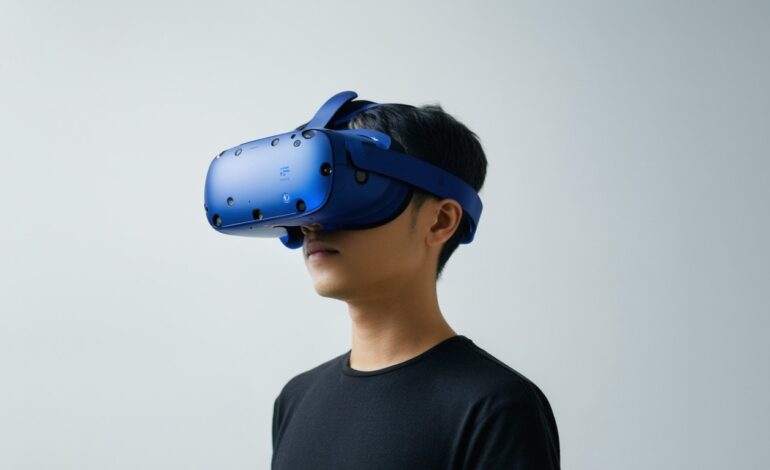
Comparing Meta Quest 3 vs 3S? Explore the essential differences in performance, display, comfort, and pricing to decide which VR headset suits you best—gamers, casual users, or first-time buyers.
Introduction: The Evolving VR Headset Landscape
Virtual reality headsets have rapidly transformed from niche technology to mainstream must-haves. Meta, formerly Oculus, continues to lead this revolution, regularly updating their flagship Quest line. With the arrival of the Meta Quest 3S alongside the best-selling Meta Quest 3, consumers face a pivotal choice: which headset offers the right mix of power, features, and value? The Quest 3S lands as a more affordable sibling, promising to open VR’s doors to a wider audience. Yet, differences between these models go beyond just price. Understanding the nuanced distinctions is essential for making an informed purchase that aligns with your needs and ambitions in immersive experiences.
Hardware Showdown: Comparing Core Specs and Performance
The Meta Quest 3 serves as Meta’s mid-range flagship, while the Quest 3S positions itself as a budget-friendly alternative, echoing the popular “S” strategy seen in smartphones and other tech categories. At the heart of this comparison are key hardware questions.
Processing Power and System Performance
Both headsets leverage Qualcomm’s Snapdragon XR platform, but the Quest 3 runs on the latest XR2 Gen 2 chipset—significantly more robust than the XR2 Gen 1 or comparable processor typically found in the Quest 3S. This means the Quest 3 can handle more graphically intensive games, demanding applications, and future VR innovations with greater ease.
RAM also makes a difference. The Quest 3 generally includes 8 GB of RAM, lending it greater multitasking ability and smoother performance, while the 3S may feature 6 GB—a detail that especially matters for users who regularly juggle between apps or play recent VR titles.
Display Quality and Visual Fidelity
Display resolution provides a tangible impact on immersion. The Quest 3 offers higher pixel density and often supports a slightly larger field of view, reducing the “screen door” effect and making environments and text crisper. The Quest 3S has a more basic display—not poor by any means, but less sharp and vibrant compared to its more expensive sibling.
Refresh rates also come into play. The Quest 3 supports higher maximum rates, contributing to smoother visuals and reduced motion blur, essential for fast-paced VR gaming or extended sessions.
Design and Usability: Comfort, Build, and Ergonomics
Beyond raw power, wearing comfort and usability separate a great VR headset from a merely good one.
Headset Weight, Comfort, and Materials
Meta iterates on its industrial design with each new Quest, shaving grams from the headset’s frame and using better materials for touchpoints. The Quest 3 is lighter and features a more balanced design; many users find it more comfortable for extended periods. The 3S, designed with budget constraints, has a slightly bulkier frame and relies more on plastic in non-visible parts.
Accessories and Adjustability
Head strap improvements and facial interface options are more refined on the Quest 3, with multiple adjustment points, making it better suited for longer play sessions and a wider range of users, including children and adults with glasses.
Feature Focus: Mixed Reality, Hand Tracking, and Futureproofing
Modern VR is more than just immersive gaming; it’s also about interaction, realistic passthrough, and expanding into mixed reality (MR) features.
Mixed Reality Capabilities
A defining distinction is the use of high-fidelity color passthrough in the Quest 3, crucial for mixed reality apps and games. This allows for seamless integration of digital objects with your real-world environment—an area where Quest 3 has the edge, owing to upgraded external cameras and compute vision support.
Quest 3S, while supporting basic passthrough, doesn’t deliver the same clarity, making advanced MR experiences less compelling, though still accessible at a functional level.
Hand Tracking and Controller Innovations
Both the 3 and 3S offer support for Meta’s continually evolving hand-tracking technology, though precision and responsiveness are marginally better on the Quest 3 due to increased processing power.
Software and Longevity
System updates, backward compatibility, and access to the Meta Quest Store are given across both devices. However, the more premium Quest 3 is positioned to receive advanced features and updates for longer, futureproofing your investment as the VR ecosystem matures.
Pricing, Value, and Target Audience
Pricing is a primary differentiator. The Quest 3 is priced in the mid-premium range, aimed at enthusiasts who want the best untethered experience without moving up to PC VR or the forthcoming “Pro” tier. The Quest 3S, meanwhile, is Meta’s answer to affordability, pegged as the go-to for first-time VR users or families seeking a reliable, accessible entry into virtual worlds.
“Meta is leveraging a classic tech playbook: releasing a high-spec flagship and following with a more economical variant, ensuring broader reach without diluting the brand’s innovation edge,” observes VR industry analyst Simon Carver.
For many, the value question boils down to planned usage. Power users, gamers, and those interested in the latest MR experiences gravitate towards the Quest 3. On the other hand, casual users or households prioritizing cost may find the Quest 3S entirely sufficient for their needs.
Real-World Scenarios: Choosing Based on Use Case
For VR Enthusiasts and Gamers
The Quest 3’s performance leap is easy to justify if you’re drawn to the newest, most demanding VR games, cutting-edge experiments, or extended reality creativity apps. Superior display and MR capabilities add significant value for those pushing VR beyond novelty.
For Casual Users, Families, and Newcomers
If virtual reality is a new adventure—or just one of several digital entertainments in your household—the Quest 3S offers robust entry-level performance without major compromise. Its compatibility with most Quest apps ensures a full experience at a friendlier price.
Business and Education
While both devices suit workplace training and educational settings, the Quest 3’s enhanced comfort and processing muscle may reduce user fatigue and support more advanced, interactive content.
Conclusion: Which VR Headset Should You Buy?
Weighing Meta Quest 3 vs 3S centers on your priorities. The Quest 3 delivers a premium, futureproofed VR and mixed reality experience, ideal for power users and forward-thinking developers. In contrast, the Quest 3S unlocks accessible, affordable VR for newcomers and casual users without major trade-offs in the core VR experience. Ultimately, the right choice depends on your appetite for the latest tech and your budget flexibility. Both headsets push VR further into everyday life—just at different paces and price points.
FAQs
How does the Meta Quest 3S differ from the Quest 3?
The Quest 3S offers a lower price, slightly reduced performance, and a less advanced display compared to the Quest 3. It’s designed to make VR more accessible while maintaining compatibility with most Quest apps.
Is the Meta Quest 3 worth the extra money over the 3S?
For users wanting the best visual quality, processing power, and mixed reality features, the Quest 3 justifies its cost. Those focused on casual gaming and basic VR experiences may find the 3S meets their needs at better value.
Can both headsets play the same VR games and apps?
Yes, both headsets are compatible with the vast majority of the Meta Quest content library. Advanced features or games requiring higher performance may run better on the Quest 3.
Which headset is better for kids or family use?
The Quest 3S is generally better for families due to its more affordable price and robust software compatibility, making it ideal for group or occasional use.
Will the Quest 3 stay relevant longer than the 3S?
The Quest 3’s stronger hardware suggests it will remain compatible with newer apps and receive updates for a longer period, making it a better long-term investment.
Is there a difference in comfort or accessory support between the two?
The Quest 3 tends to offer improved comfort with more refined materials and strap designs. Both support a healthy ecosystem of official and third-party accessories.