United Healthcare CEO Salary: Compensation Details and Breakdown

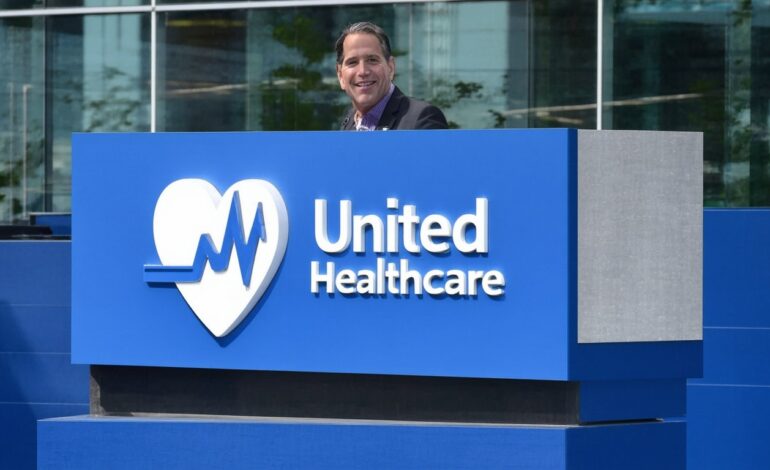
In the complex landscape of U.S. health insurance, UnitedHealthcare stands out as both an industry leader and a frequent subject of public scrutiny. As the largest health insurance company by market share in the United States, UnitedHealthcare—operating under the umbrella of UnitedHealth Group—exercises considerable influence over American healthcare access, policy, and pricing. This prominence inevitably brings the compensation of its CEO under the microscope.
Scrutiny over CEO pay is nothing new, but within healthcare, it can be particularly polarizing. Compensation packages at this level are designed to reflect extraordinary responsibility, corporate results, and the fierce competition for executive talent. Yet, they also raise ethical and socioeconomic questions, especially as millions grapple with rising medical costs and coverage concerns.
Understanding how and why UnitedHealthcare’s CEO is compensated as they are requires breaking down the elements of pay, exploring industry benchmarks, and contextualizing the broader executive compensation landscape in the American healthcare sector.
UnitedHealthcare CEO Salary: Breaking Down Compensation
Structure of CEO Compensation in Health Insurance
The compensation packages for Fortune 500 health insurance CEOs, including UnitedHealthcare’s, typically comprise several elements:
- Base Salary: The fixed, annual salary.
- Annual Cash Bonus: Tied to short-term financial and operational goals.
- Equity Awards: Stock options and performance-based shares, intended to align executive incentives with company performance.
- Other Compensation: This includes retirement contributions, use of company assets, and occasionally, personal security.
Notably, the majority of total CEO pay at this level comes from performance-based bonuses and equity awards, rather than fixed base compensation. This creates incentives for long-term company growth and projects success, but can also result in volatile year-to-year changes in reported income.
Recent Trends: UnitedHealthcare CEO Pay
In recent years, UnitedHealthcare’s parent company, UnitedHealth Group, has featured prominently in executive pay reports. Although exact figures may vary depending on SEC filings and annual proxy disclosures, it is clear that UnitedHealthcare CEO compensation falls within the upper echelon of American business.
Industry data from leading sources such as The Wall Street Journal and Forbes note that UnitedHealth Group’s top executives have, at times, received total annual compensation packages well into the tens of millions of dollars. For example, previous annual filings have shown that UnitedHealth Group’s CEO—who oversees all major business units including UnitedHealthcare—has received packages exceeding $18 million in some years, with the majority stemming from equity-based incentives. Base salaries for executives of this scale are often between $1 million and $2 million, dwarfed by performance incentives.
“Executive pay in healthcare tends to track with the complexity and importance of the business. When you lead the largest insurer in America, your compensation reflects not only your responsibility, but also the intense scrutiny from shareholders, regulators, and the wider public,” said a health policy analyst interviewed by Bloomberg.
How Does UnitedHealthcare CEO Compensation Compare to Industry Peers?
CEO Pay in the Healthcare Sector
Analyses from industry consultants and compensation advisory firms show that health insurer CEO pay is among the highest in American health care. For context:
- CEOs at competing firms like Anthem (now Elevance Health), Cigna, and CVS Health routinely report total compensation in the $15 million–$25 million range, depending on annual performance and equity vests.
- UnitedHealth Group remains the market leader in both revenues and overall executive compensation, reflecting its scale and returns for investors.
- The gap between company performance and CEO pay is often cited in policy debates, especially as healthcare costs for consumers have consistently risen faster than inflation.
Criticism and Defense of High Executive Pay
The debate over CEO salaries in health insurance is intense. Critics argue that such compensation is out of step with the struggles of ordinary Americans facing higher premiums and limited access to care. Defenders counter that leading an organization as vast and complex as UnitedHealthcare requires attracting and retaining top-tier talent, which comes at a premium.
Industry benchmarking also plays a critical role—public boards often strive to align pay with the “median” of their peers, lest they risk losing leaders to other sectors.
Factors Influencing UnitedHealthcare CEO Salary
Company Performance and Profit Metrics
UnitedHealthcare’s executive compensation is highly performance-driven. Key metrics often include:
- Earnings per share (EPS)
- Revenue growth
- Return on equity (ROE)
- Customer satisfaction and operational benchmarks
When financial performance is robust—as it often has been for UnitedHealth Group, which has posted strong year-over-year growth even amid broader economic uncertainty—executive bonuses and stock awards can be substantial.
Regulatory and Social Pressure
Increasingly, public companies face pressure from shareholders, employees, patient advocates, and even legislators to justify executive comp. Annual proxy filings must disclose CEO pay ratios, spelling out how the top earner’s pay compares to the median employee salary. At firms like UnitedHealth Group, the ratio can be several hundred to one, adding fuel to debates around income inequality and corporate responsibility.
The Shareholder Perspective
Institutional investors, such as pension funds and mutual funds, often vote on executive pay packages via “say on pay” proposals. Such votes are advisory, but widespread dissent can pressure boards to revise compensation formulas or develop stronger pay-for-performance links.
Real-World Example: CEO Compensation in Action
Consider the example of former UnitedHealth Group CEO David Wichmann, whose compensation was widely publicized in financial media. In his final full year, Wichmann’s total compensation reportedly exceeded $42 million, driven by a large stock award. Such outlier figures are uncommon and typically linked to milestone achievements, restructuring, or long-term vesting cycles, rather than reflective of steady annual pay.
For current CEO Andrew Witty, UnitedHealth Group’s most recent available filings indicate compensation in the high single-digit to mid-double-digit millions, in line with sector norms.
Key Takeaways and Future Outlook
UnitedHealthcare CEO pay is emblematic of broader trends in the U.S. health system: arguments over scale, rewards for performance, and the friction between executive incentives and social expectations. While the size of these packages commands attention, disclosures are transparent and heavily regulated.
Compensation will likely remain a hot-button issue, especially as the gap between executive and median worker pay draws more scrutiny. Health insurance boards now face pressure to balance talent retention, pay-for-performance alignment, and stakeholder expectations.
FAQs
How much does the UnitedHealthcare CEO make a year?
UnitedHealthcare’s CEO typically receives a multi-million-dollar annual compensation package, most of which is performance-based. Base salaries are supplemented by bonuses and equity awards.
What factors influence UnitedHealthcare CEO compensation?
Executive pay is tied to financial performance, business growth, customer metrics, and market benchmarks. External scrutiny from shareholders and regulators also impacts how these packages are structured.
How does UnitedHealthcare CEO pay compare to other insurance CEOs?
Compensation for UnitedHealthcare’s CEO is among the highest in the health insurance sector, reflecting the company’s leading market position. Pay levels are similar to peers like Cigna, Elevance Health, and CVS Health.
Why do health insurance CEOs make so much money?
High compensation reflects the complexity, responsibility, and scale of leading companies that manage coverage for tens of millions of Americans. Packages are designed to attract and retain top talent while incentivizing long-term performance.
Are executive compensation details public?
Yes, as a publicly traded company, UnitedHealthcare’s parent discloses executive compensation annually in SEC proxy filings. This transparency helps the public and investors monitor pay practices.