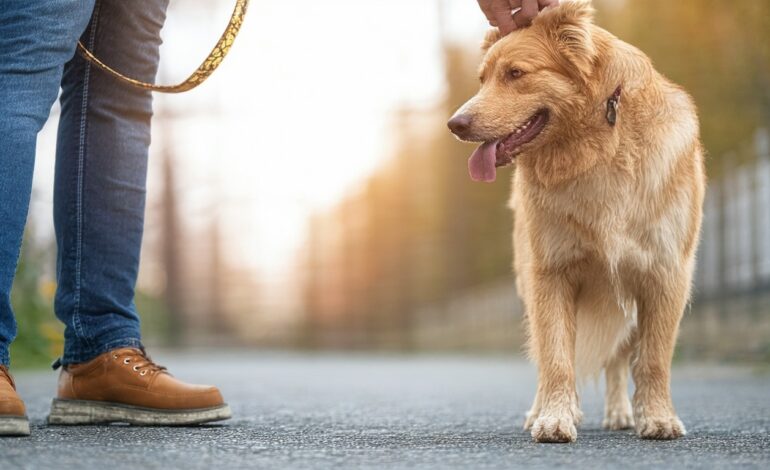
From bustling city parks to quiet suburban streets, the urge to approach and pet a friendly-looking dog is universal. However, the simple act of reaching out to pet an unfamiliar canine holds more complexity than many expect. Understanding canine behavior, respecting consent (from both humans and dogs), and prioritizing safety are essential, especially as the U.S. sees an uptick in pet ownership and urban dog encounters. The phrase “Can I pet that dog?” isn’t just about curiosity; it reflects the increased awareness of responsible dog interaction, essential for community safety and animal well-being.
Why Asking Matters: The Importance of Permission
In practice, not all dogs welcome the touch of strangers. Dogs, like people, have diverse personalities and boundaries shaped by socialization, training, and past experiences. Data from veterinary behaviorists and animal welfare organizations consistently shows that a significant share of dog bites occur when people—often children—approach dogs in ways the animal interprets as threatening or overwhelming. According to the American Veterinary Medical Association, most bites are preventable with proper education and cautious behavior.
Dog owners are the first and best line of defense when it comes to ensuring safe human-dog interactions. Responsible pet parents often know their dogs’ quirks, triggers, and comfort zones. For this reason, asking “Can I pet that dog?” isn’t just courtesy; it’s a fundamental safety check.
“Permission isn’t just for politeness—it’s a protective step for everyone involved. Dogs can’t speak for themselves, so their owners must advocate for them,” says Dr. Allison Forest, certified veterinary behaviorist.
Reading Canine Signals: Body Language and Warning Signs
Dogs speak volumes without saying a word. Understanding canine body language is key to safe interactions—even after permission is granted.
Positive Signs a Dog Is Receptive
- Loose, wagging tail (not stiff)
- Relaxed posture
- Approaching with open mouth and soft eyes
- Leaning forward with ears in a neutral position
Warning Signals to Pause or Stop
- Stiff body
- Tucked tail or cowering
- Lip licking, yawning, or turning head away
- Growling, baring teeth, or raised hackles
A recent study published in Applied Animal Behaviour Science found that children often misinterpret signals, viewing a wagging tail as universally friendly. In reality, the context and overall posture matter far more than any single gesture.
Steps for Safely Approaching a Dog
Not all encounters are alike, but a structured approach reduces risk for both person and pet.
1. Always Ask the Owner
Politely ask, “May I pet your dog?” Don’t assume consent, even if the dog is leashed or appears calm.
2. Let the Dog Approach You
Instead of reaching out, squat down and present your hand in a relaxed position but don’t force contact. Allow the dog to sniff you and approach at its own pace.
3. Avoid Sudden Movements
Speak softly and avoid looming over the dog. Quick gestures or loud noises can startle even socialized pets.
4. Pet Gently in Safe Zones
If the owner agrees and the dog appears comfortable, start by petting the shoulder or chest instead of reaching over the dog’s head—a motion some dogs perceive as threatening.
5. Watch for Stress Signals
Even during petting, keep an eye out for any signs of withdrawal or discomfort. If a dog pulls away, stop immediately.
Special Situations: Service Dogs, Puppies, and Rescue Animals
Some dogs are working or in training and should not be distracted. Service animals, for example, should be left undisturbed to perform their critical jobs. Similarly, puppies and rescue dogs may have unique sensitivities due to age or trauma. Always defer to the handler’s guidance.
Real-World Examples and Case Studies
The complexity of dog encounters is seen across diverse communities. In a 2022 initiative, several urban shelters launched “Dog Ambassador” programs, where volunteers educated the public on appropriate greetings at local parks. Early results showed a noticeable drop in incident reports linked to improper approaches.
Similarly, elementary school programs emphasizing safe dog interactions have resulted in fewer bite injuries among children, according to a review by The Journal of Pediatrics. These practical interventions highlight the preventable nature of most negative dog-human encounters.
The Role of Owners: Advocacy and Socialization
While the question “Can I pet that dog?” centers on the approacher, responsibility lies equally with dog owners. Advocating for a pet’s boundaries, even at the risk of disappointing well-meaning strangers, is a core aspect of responsible ownership.
Owners are encouraged to:
- Socialize dogs gradually with diverse environments and people
- Use clear signals (like “Do Not Pet” vests) when necessary
- Provide consistent training and positive reinforcement
- Be honest about their dog’s mood and comfort on any given day
The broader community benefits when owners set firm boundaries and communicate openly. An informed public is less likely to pressure owners or misread anxious dogs as approachable.
Key Takeaways
The timeless question, “Can I pet that dog?” is rooted in curiosity, compassion, and the desire for connection. Yet, it also carries significant responsibility. Safety starts with asking permission, reading canine body language, and understanding each dog’s unique comfort zone. Owners serve as crucial advocates, ensuring both pets and people enjoy positive experiences.
Effective dog interaction comes down to respect, education, and situational awareness. Ongoing community outreach and open dialogue between owners and the public can foster safer, happier encounters for all.
FAQs
What should I do if a dog’s owner says no to petting?
Respect the owner’s response without pressing further; some dogs may be anxious, fearful, or simply not in the mood for interaction.
Are there certain breeds that are less likely to enjoy being petted by strangers?
While breed tendencies exist, a dog’s individual personality, upbringing, and training matter more than breed alone in determining openness to petting.
Is it safe to pet a dog that’s tied up or behind a fence?
No—never approach or attempt to pet a tethered or fenced-in dog. Dogs in these situations may feel especially vulnerable or territorial.
How can I teach children to approach dogs safely?
Supervise all interactions, teach them to always ask permission, and show them how to read body language. Roleplaying and educational resources can help reinforce the message.
Why shouldn’t you reach over a dog’s head when petting?
Reaching over the head can feel threatening to many dogs and trigger defensive reactions. Instead, aim for the chest or shoulders when starting to pet.
What are signs that a dog wants to end the interaction?
Yawning, turning away, licking lips, stepping back, or flattening ears usually indicate a dog is uncomfortable and wishes for more space. Always respect these signals.