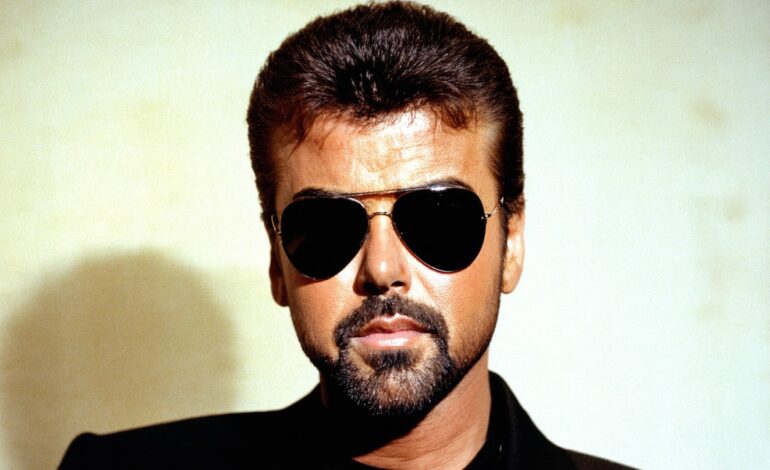
Few celebrities are as synonymous with ink as Pete Davidson. The comedian and “Saturday Night Live” alumnus has long been known for his extensive collection of tattoos, ranging from whimsical doodles to deeply personal tributes. Over the last several years, however, Davidson has been steadily erasing what became one of his most recognizable traits. Examining his decision to remove his tattoos not only offers insight into his personal journey but also reflects wider shifts in attitudes toward body art in Hollywood and beyond.
Pete Davidson’s Tattoo Journey: From Self-Expression to Reconsideration
A Personal and Public Canvas
Throughout his twenties, Pete Davidson used body art as a form of storytelling. Each tattoo often commemorated a relationship, a milestone, or served as an emblem of mental health struggles. High-profile tattoos included tributes to ex-girlfriends like Ariana Grande, dedications to his father—a firefighter who died on 9/11—and comic book references. As Davidson’s fame grew, fans and tabloids alike followed each new addition, dissecting their meaning.
Shifting Motivations: Why Remove the Ink?
In recent years, Davidson has publicly discussed his decision to start the lengthy and often painful process of tattoo removal. The primary reason: his growing film and television career. Davidson realized that his extensive tattoos created extra challenges during makeup and wardrobe preparation for roles—sometimes adding hours to his daily routine.
“It takes like three hours every day to cover this up. I didn’t think that through. It’s gonna be a problem,” Davidson revealed during a virtual Q&A, reflecting on the unexpected consequences of his ink collection.
Beyond the demands of Hollywood makeup teams, Davidson also cited personal growth and evolving tastes. Many people acquire tattoos during youth that no longer resonate as they mature, and Davidson’s willingness to remove some of his earlier choices mirrors this common human experience.
Tattoo Removal in Hollywood: A Growing Trend
From Rebellion to Professionalism
Davidson’s tattoo removal is far from an isolated case. In an industry where casting often hinges on versatility and appearance, visible tattoos can be limiting. Actors like Mark Wahlberg and Megan Fox have also undergone laser removal to expand their role opportunities and decrease time spent in the makeup chair.
Hollywood professionals note a double standard: while on-screen characters with tattoos are more accepted than ever, actors’ real tattoos are often seen as distractions or as limiting the types of roles they can believably play.
Laser Technology and Removal Process
Davidson’s removal process—like most modern tattoo removal—relies on medical-grade lasers to break down ink particles. These particles are then absorbed and removed by the body’s lymphatic system. The process can be painful, time-consuming, and costly, often requiring multiple sessions spaced out over months or even years. Lighter colors and larger or older tattoos can prove more stubborn to remove.
Cosmetic dermatologists point out increased demand for removal services, particularly among millennials and Gen Z, groups statistically more likely to have tattoos and, by extension, to experience “tattoo regret” as they age or as career paths change.
Navigating the Cultural Shift: Ink, Authenticity, and Image
Celebrity Influence on Body Art Trends
Pete Davidson’s openness about tattoo regret and removal resonates with fans who may be reconsidering their own body art. As tattoos have become less taboo, the conversation has shifted from “should I get a tattoo?” to “what happens if I want to remove it?” The rise of social platforms has further cemented tattoos as a dynamic—and sometimes fleeting—form of self-expression.
Public figures like Davidson, who are candid about both tattoo acquisition and removal, help reduce the stigma and normalize the evolving relationship people have with their bodies.
The Interplay of Image and Identity
Celebrities’ relationships with tattoos often parallel societal debates around authenticity and self-reinvention. Having tattoos can affirm a certain edge or realness, while their removal sometimes signals a desire for reinvention or increased professionalism.
For Davidson, the decision seems both practical and symbolic: part necessity for career versatility, part personal evolution. His story illustrates how personal expression and professional obligations can intersect—and occasionally conflict—in high-visibility careers.
The Physical and Emotional Realities of Removal
The Pain and Patience of Laser Removal
While the decision to get a tattoo is often made in minutes, removal is a multi-year process involving discomfort and patience. Davidson has described laser sessions as significantly more painful than getting the original tattoos—a sentiment echoed by many who have undergone the procedure.
Dermatologists advise clients to weigh the permanence and potential consequences of tattoos, especially for those considering careers in entertainment, public service, or other roles where physical appearance can have outsize influence.
Coping with ‘Tattoo Regret’
Data from dermatological studies suggest that tattoo regret is increasingly common. Common reasons include changing personal values, new relationships, and workplace considerations. Experts recommend research and reflection before getting inked—and stress that options for change, such as removal or cover-ups, have never been more accessible.
Conclusion: Tattoos as a Lifelong Conversation
Pete Davidson’s tattoo removal journey is more than just celebrity news; it’s a reflection of how society’s conversation around tattoos continues to evolve. As technology improves and social norms shift, both getting—and removing—tattoos have become integral parts of personal storytelling. Davidson’s experience highlights the importance of considering long-term impacts before making permanent changes, and his candor helps others make more informed decisions about their own bodies.
FAQs
Why is Pete Davidson removing his tattoos?
Davidson is removing his tattoos primarily because of the demands of his acting career. Covering his numerous tattoos for film and television roles added hours to his daily preparation and limited casting opportunities.
How many tattoos did Pete Davidson have at his peak?
At his most inked, Davidson is reported to have had more than 100 tattoos, including several highly visible designs on his arms, hands, neck, and chest.
How does tattoo removal work?
Tattoo removal typically involves laser treatments that break down ink particles in the skin. The body then naturally eliminates these particles over time, but several sessions are usually needed to achieve significant fading or complete removal.
Is tattoo removal painful?
Most people, including Davidson, describe laser tattoo removal as more painful than getting a tattoo. The process can be uncomfortable and may require topical anesthesia to ease sensation.
Are more celebrities considering tattoo removal?
There is a noticeable trend of celebrities opting for tattoo removal, especially as they seek greater versatility in roles and adapt to changing personal preferences. Industry experts note that removal services are growing among both celebrities and the general public.
Can all tattoos be completely removed?
Some tattoos, particularly those with bright colors or done many years ago, may be very difficult to remove completely. The results depend on various factors, including tattoo size, color, age, and the individual’s skin type.