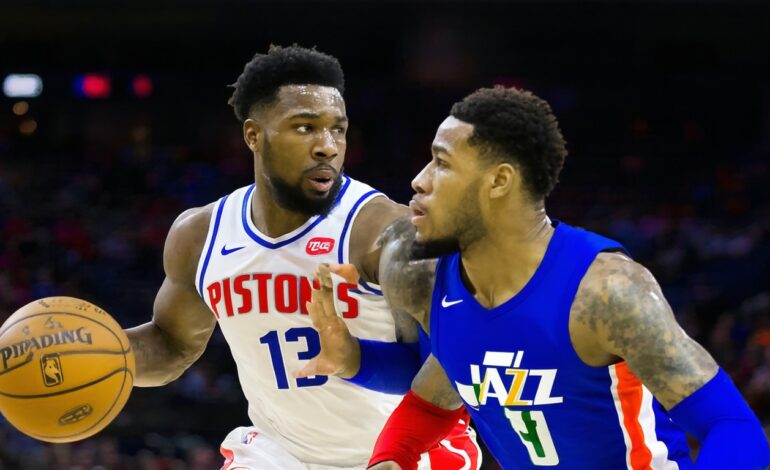
High Drama and Key Stats: Setting the Scene
When the Detroit Pistons face off against the Utah Jazz, NBA fans expect intensity, strategy, and standout performances. Each matchup serves as a microcosm of the season’s larger storylines: development in Detroit versus consistency in Utah. The latest matchup between these franchises was no exception, bringing together ambitious young talent and experienced professionals in a tightly contested battle.
Statistical performance in these games goes beyond the final score. Player stats—like points, rebounds, assists, and defensive metrics—offer insights into team chemistry, coaching adjustments, and individual growth. Understanding these numbers is crucial for fans, analysts, and fantasy basketball participants alike.
Detroit Pistons: Player Performance Highlights
Young Stars Lead the Charge
Despite a challenging season, the Pistons have leaned heavily on their developing core. In this contest, rising guard Cade Cunningham continued his ascent with a playmaking display. His shot creation, ability to finish at the rim, and vision were on full display as he led all Pistons scorers.
- Cade Cunningham: Notched over 25 points with high shooting efficiency, adding several assists and boards to keep Detroit competitive.
- Jalen Duren: Dominated in the paint with double-digit rebounds, while providing crucial rim protection.
- Jaden Ivey: Showcased his transition speed, contributing both offensively and stepping up defensively on the perimeter.
Bench contributions also played a role, with veteran Alec Burks chipping in timely three-pointers and providing stability during key stretches.
Team Trends and Defensive Focus
The Pistons’ defense has been under scrutiny, but flashes of improvement surfaced in this game. They managed to force turnovers and capitalize on fast breaks, leading to easy points. However, the group still struggled to contain Utah’s outside shooting and ball movement, a recurring challenge for Detroit this season.
“The Pistons’ young core is making incremental progress defensively, but matchups against veteran teams like the Jazz reveal where further development is needed,” an NBA analyst noted recently.
Utah Jazz: Balanced Attack and Depth
Offensive Cohesion and Key Contributors
Utah’s approach reflects their identity: disciplined, unselfish basketball. The team’s balanced scoring was evident with at least five players scoring in double figures, demonstrating their depth and well-coached system.
- Lauri Markkanen: The versatile forward paced the Jazz with his signature inside-out scoring, recording over 20 points and contributing significantly on the glass.
- Jordan Clarkson: Provided instant offense off the bench, attacking mismatches and delivering clutch shooting late in quarters.
- Walker Kessler: Imposed his presence defensively with multiple blocks and altered shots, limiting Detroit’s interior opportunities.
The Jazz’s emphasis on high-percentage shots and three-point efficiency was reflected both in their box score and advanced analytics, underscoring why they remain a playoff-caliber squad.
Defensive Execution and Transition Success
Utah consistently showcased smart defensive rotations, closing out on shooters and limiting second-chance points. Their ability to rebound and push the pace resulted in a flurry of transition buckets. This discipline was especially apparent in the fourth quarter, where clutch stops fueled a decisive run.
Statistical Storylines: Trends that Shaped the Game
Shooting Efficiency and Ball Movement
Comparing field goal percentages and assist totals, Utah edged out Detroit by maintaining disciplined shot selection. The Jazz assisted on over 60% of their made baskets, while Detroit relied more on individual efforts from Cunningham and Ivey.
Bench strength provided another measurable edge for Utah; their reserves not only outscored Detroit’s bench unit but also contributed key steals and defensive plays that swung momentum.
Rebounding and Second-Chance Opportunities
Battle on the boards proved critical. While Jalen Duren’s efforts kept Detroit close in the rebounding department, the Jazz’s collective rebounding—especially in crucial moments—enabled extra possessions and put-back opportunities.
Player Matchups: Direct Comparisons
Guard Play: Cunningham vs. Clarkson
Cade Cunningham’s patience and shot-making were matched by Jordan Clarkson’s aggressiveness and experience. Both guards had streaks in which they took over offensively, but Clarkson’s bench spark proved instrumental in breaking the Pistons’ defensive structure.
Frontcourt Battle: Markkanen vs. Duren/Stewart
Markkanen stretched the floor, capitalizing on mid-range and perimeter looks. Duren, on the other hand, focused on rim protection and rebounding, making for a compelling duel between youth and experience.
Advanced Metrics and Analytical Perspective
Modern basketball analysis goes deeper than traditional box scores. In this matchup, several advanced stats stood out:
- Player Efficiency Rating (PER): Markkanen and Cunningham both posted above-average PERs, underscoring their all-around impact.
- Defensive Rating: Kessler’s interior defense showed clear in his stellar defensive rating for the night, while Duren anchored Detroit’s paint presence.
- Usage Rate: Cunningham took on a hefty offensive load, indicative of the Pistons’ reliance on his playmaking under pressure.
While the Jazz’s balanced usage reflected team-first basketball, Detroit’s skewed numbers illustrate a rebuilding team giving its franchise player maximum development opportunities.
Takeaways: What the Numbers Reveal
Both teams used this matchup as a benchmark. For Detroit, offensive flashes and periods of energetic defense suggest development, but inconsistencies endure—especially in closing out games and managing experienced opponents. Utah maintained their reputation for depth, cohesion, and defensive reliability, with a versatile frontcourt and reliable scoring in key moments.
“The Jazz’s ability to remain composed and share the ball is what separates them in tight contests, particularly against less-experienced teams that rely on isolation scoring.”
Conclusion: Lessons from a Tightly Contested Game
The Detroit Pistons vs Utah Jazz player stats breakdown reveals a clash between promise and process. While Detroit’s core is evolving, Utah’s structure and depth set the standard for consistent success. Individual battles and team trends underline the importance of development, both at the player and collective level.
Moving forward, Detroit must harness its flashes of brilliance into full-game execution, while Utah aims to maintain its playoff positioning through balanced offense and disciplined defense. Fans and analysts alike will be watching to see how these statistical lessons translate into future performances.
FAQs
What were the standout performances in the Pistons vs Jazz matchup?
Cade Cunningham led Detroit with his scoring and playmaking, while Lauri Markkanen and Jordan Clarkson were key contributors for Utah, showcasing balanced offensive production and defensive execution.
How did bench players impact the game?
Utah’s bench, particularly Jordan Clarkson, provided crucial scoring and energy, outpacing Detroit’s reserves and helping swing momentum during pivotal stretches.
What statistical trends determined the outcome?
Utah’s superior ball movement, three-point efficiency, and transition scoring gave them an edge. Detroit showed progress defensively but struggled to match Utah’s consistency, especially late in the game.
How did the frontcourt players perform?
Lauri Markkanen stretched Detroit’s defense and contributed on the boards, while Jalen Duren was vital for Detroit’s interior defense and rebounding, creating a competitive matchup in the paint.
What are the key takeaways for both teams?
Detroit demonstrated individual growth and periods of strong defense but needs more consistency. Utah’s disciplined team approach and depth continue to make them a difficult opponent for developing squads.