The fast food industry once carried a reputation for offering meals heavy on calories and low on nutritional value. However, consumer demand for healthier, high-protein meal options has transformed fast food menus across the globe. Today, high protein fast food is not just a possibility; it’s a thriving trend among health-conscious diners, fitness enthusiasts, and busy professionals seeking energy-boosting meals without sacrificing convenience.
Protein plays a pivotal role in maintaining muscle, supporting metabolism, and promoting satiety. As a result, finding high protein options—even in fast food settings—can meaningfully support a balanced diet. This guide explores some of the best high protein fast food choices, practical ordering strategies, and real-world examples from well-known brands.
Why Protein Matters in Fast Food
Protein is critical for tissue repair, immune function, and long-lasting fullness. Studies consistently show that high protein intake helps reduce cravings and supports weight management—a significant appeal for those relying on fast food for quick meals. According to research published in the “American Journal of Clinical Nutrition,” increasing protein consumption can lead to greater satisfaction and, over time, help people maintain a healthier weight.
Beyond this, the rise of fitness culture and dietary awareness in the US and globally has pressured major chains to reinvent classic offerings with health-minded twists. Brands like Chick-fil-A, Chipotle, and Subway have responded with diverse menus highlighting grilled meats, legumes, and customizable protein add-ons.
“The explosion of high-protein fast food isn’t a passing fad. It’s a reflection of evolving consumer priorities around health, convenience, and transparency in food sourcing,” says registered dietitian Samantha Kelly.
Top High Protein Fast Food Picks at Major Chains
Grilled Chicken and Lean Meats: Go-To Protein Powerhouses
- Chick-fil-A Grilled Chicken Sandwich or Nuggets: Swapping breaded chicken for grilled varieties significantly boosts the protein-to-fat ratio. An eight-count grilled nugget order delivers roughly 25 grams of protein with minimal saturated fat.
- McDonald’s Artisan Grilled Chicken Sandwich: While McDonald’s is famous for burgers, their grilled chicken sandwiches offer a lighter, high-protein alternative, especially when skipping calorie-heavy sauces.
Burger Chains: Protein-Rich Customizations
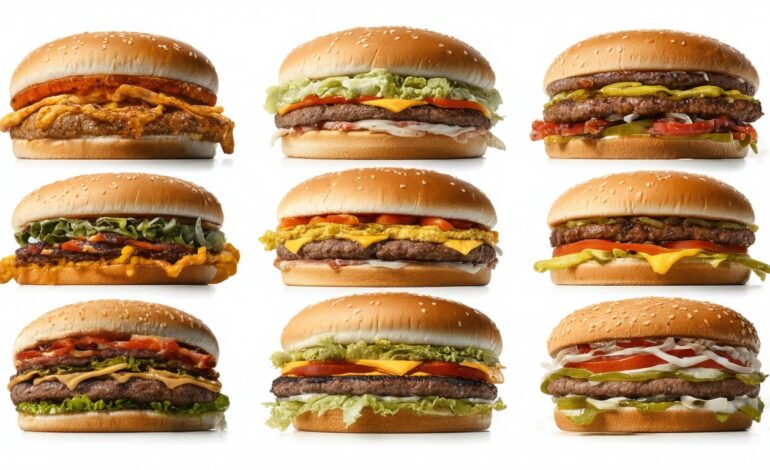
- Burger King and Wendy’s Protein-Style Burgers: Many burger spots now allow for lettuce wraps instead of buns, reducing carbs while keeping protein high. Adding extra burger patties or opting for grilled chicken increases protein content even more.
- In-N-Out “Protein Style” Double-Double: The west-coast chain’s lettuce-wrapped burger is a cult favorite among low-carb and high-protein eaters.
Customizable Bowls and Salad Bars
- Chipotle Burrito Bowl (Double Chicken or Steak): Chipotle’s nutrition calculator allows customers to stack proteins and skip empty-calorie fillers. A double chicken bowl topped with beans and vegetables can offer over 50 grams of protein in a single serve.
- Subway’s Protein Bowls: These bowls, introduced as a lower-carb option, let diners combine multiple lean meats, eggs, and cheese—allowing protein-centric meals topping 30–40 grams per serving.
Breakfast on the Run: Protein at Sunrise
- Starbucks Protein Boxes: These packs typically include boiled eggs, cheese, nuts, and lean meats, all portable and protein-dense.
- Egg White Sandwiches at Dunkin’ and Panera Bread: Many breakfast menus now feature egg whites and turkey sausage, catering to protein-seeking consumers on busy mornings.
Smart Ordering Strategies for High Protein Fast Food
Choosing the best high protein fast food option often requires small tweaks rather than radical menu shifts. Here are key strategies for maximizing protein while minimizing excess calories, sodium, or fat:
- Prioritize grilled over fried proteins: Grilled meats retain natural flavors without excessive oils.
- Double up on protein portions: Many chains allow extra portions of chicken, steak, or beans for a nominal fee.
- Go bunless or use lettuce wraps: Ditching bread reduces calories without impacting protein.
- Watch sauces and dressings: Creamy or sugary condiments can compromise otherwise healthy meals.
- Add beans, eggs, and cheese consciously: These add-ons enhance protein but should be balanced with total calorie intake.
In practice, a burger chain visit might mean ordering a double-patty sandwich with no bun and adding a side of grilled chicken; or at a Mexican fast-casual chain, opting for a bowl with double meat, extra beans, and salsa instead of cheese sauce.
Trends Shaping the Future of High Protein Fast Food
Modern diners expect transparency and customization. The National Restaurant Association recently cited “protein-rich meals” and “plant-based protein options” among the top fast casual trends. This is evident in the surge of meat alternatives (like Beyond Meat and Impossible Burger) now being offered not just as a vegetarian solution, but as a high-protein staple in their own right.
Additionally, nutrition labeling requirements and digital ordering apps make it easier for consumers to check protein counts and customize accordingly. For instance, McDonald’s app allows real-time edits—removing buns or doubling meat—to see instant nutrition updates.
Real-World Examples: What Health-Minded Diners Are Choosing
Fitness communities on social media often share “hacks” for maximizing protein at quick-serve chains. Examples include:
- Ordering three grilled chicken sandwiches at Chick-fil-A and discarding the buns, pairing with a side salad.
- Using Chipotle’s app to stack chicken, steak, and black beans for a protein-packed (and still affordable) lunch.
- Selecting egg whites and turkey sausage at fast food breakfasts to clock in over 20 grams of protein without the fat of pork options.
These strategies highlight just how adaptable fast food can be for nutritional needs. The key lies in understanding the menu, making informed swaps, and not being afraid to ask for customizations.
Conclusion: High Protein Fast Food as a Strategic Choice
Eating high protein fast food doesn’t mean sacrificing health for convenience. With increasing pressure on restaurant chains to provide transparency and healthy options, it’s never been easier to find meals that support fitness and wellness goals—even on the busiest days.
Selecting grilled meats, leaning on customizable bowls, and using digital resources to track nutrition empowers consumers to dine out smarter. Prioritizing protein may also help with satiety, muscle maintenance, and long-term wellness.
Ultimately, mindful choices and a bit of menu savvy can transform the fast food experience from a nutritional pitfall to a source of balanced, energizing meals.
FAQs
What are some popular high protein fast food items?
Grilled chicken sandwiches, customizable burrito bowls, protein-style (lettuce-wrapped) burgers, and breakfast egg sandwiches are among the top protein-rich picks at major fast food chains.
How can I increase protein in my fast food meal?
Opt for double meat portions, add beans or eggs if available, choose grilled over fried, and avoid carb-heavy sides to maximize your protein intake.
Are plant-based fast food options high in protein?
Many chains now offer meat-free protein options such as black bean patties or soy-based burgers, which provide considerable protein, though the amount varies by brand and recipe.
Is high protein fast food suitable for weight loss?
Higher protein meals may support weight loss by promoting fullness and stabilizing blood sugar, but overall calorie intake and healthy fats also matter for lasting results.
Which chains are best for high protein breakfasts?
Chains like Starbucks, Panera Bread, and Dunkin’ offer egg-white sandwiches, Greek yogurt, and nut-based protein boxes, making them good choices for a quick, protein-focused start to the day.