The Strange Thing About the Johnsons: Plot, Themes, and Shocking Twist Explained

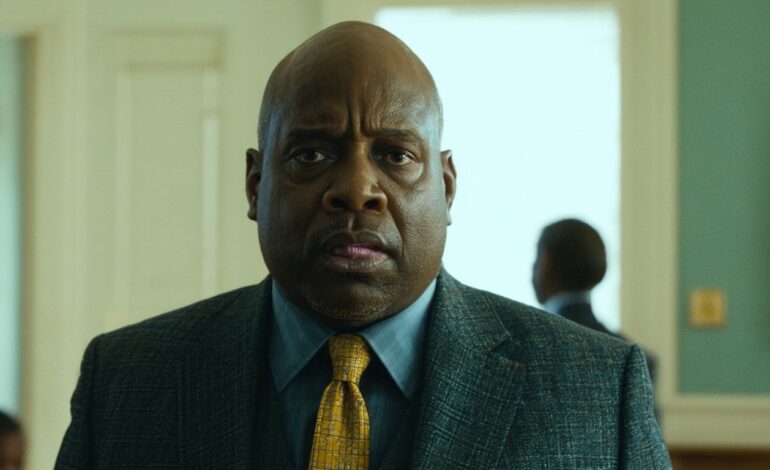
Ari Aster’s short film, “The Strange Thing About the Johnsons,” continues to provoke shock, debate, and analysis more than a decade after its release. Conceived as a graduation project at the American Film Institute, this 29-minute psychological horror film pushes the boundaries of taboo in cinema. Deploying an unflinching reversal of traditional family trauma stories, Aster’s work takes audiences through an intimate, disturbing exploration of abuse, complicity, and generational trauma—a feat that’s both artistically daring and uncomfortably relevant.
Beyond its headline-grabbing twist, “The Strange Thing About the Johnsons” is layered with nuanced symbolism, psychological depth, and social commentary. Its critical reception has inspired a broader dialogue on how taboo subjects are represented in media, and the film’s viral success has marked it as a cult phenomenon, epitomizing the evolution of internet-age cinema.
Plot Breakdown: A Portrait of Subverted Family Dysfunction
A Chilling Premise
The film opens on Sidney Johnson catching his teenage son, Isaiah, in a compromising act. What begins as an awkward, potentially typical adolescent moment quickly inverts expectations: Isaiah, not the father, is the family’s abuser. Over the following years, this dark dynamic continues—hidden beneath the surface of genteel suburban life.
Sidney, the family patriarch, is both powerless and paralyzed—a portrait of silent suffering. The mother, Joan, is a passive observer whose denial underlines the familial conspiracy of silence. Carefully crafted scenes and the eeriness of the Johnsons’ middle-class domesticity amplify the disturbing nature of the abuse at the story’s heart.
The Shocking Reveal
The narrative’s crux arrives through the slow-burning reveal of Isaiah’s manipulation and control over Sidney. It challenges the viewer with its taboo content, pushing boundaries rarely touched in mainstream or even independent cinema. The ultimate twist—the reversal of parent-child abuse stereotypes—serves not merely to shock, but to underscore the universality and complexity of trauma.
“Ari Aster masterfully uses inversion and discomfort to expose the insidiousness of secrecy and denial—reminding us that horror is most powerful when rooted in plausibility.”
The film culminates in tragedy, with Sidney’s desperate attempt to escape and Joan’s final confrontation with reality. The ambiguity of the ending leaves viewers with more questions than closure—a deliberate tactic that lingers long after the credits roll.
Major Themes: Taboo, Denial, and The Horror of Complicity
Challenging Taboos and Social Norms
One of the film’s most potent aspects is its willingness to confront forbidden subjects. Incest—particularly when mapped onto a reversal of expected gender and generational power—remains one of cinema’s rarest taboos. “The Strange Thing About the Johnsons” doesn’t sensationalize this; rather, it uses discomfort as a catalyst for dialogue around abuse, silence, and the hierarchies of power within families.
Film critics note that by inverting the expected roles, Aster neutralizes the easy sympathies and moral binaries often found in stories of abuse. This deliberate narrative device forces viewers to confront the psychology of victimhood and culpability, regardless of preconceived notions.
Denial and Generational Trauma
Underlying the entire film is the theme of denial: how individuals and families collude, whether from fear or shame, to hide painful truths. Joan’s studied ignorance, Sidney’s muting self-effacement, and Isaiah’s charm and manipulation collectively paint a picture of generational trauma’s corrosiveness. The Johnsons aren’t monstrous outliers, but rather a disturbingly familiar example of dysfunction—framed in the extreme.
This universality resonates in the broader societal context. Studies in psychology affirm that abuse, especially when coupled with family denial, perpetuates cycles of trauma. In showcasing this, the film invites viewers to question their own assumptions about what abuse “looks like.”
The Banality of Evil
Set in an unremarkable suburban environment, the film employs production design and cinematography to heighten the banality of its horrors. Bright, almost cheerful interiors clash with the darkness inside the Johnsons’ home. This juxtaposition draws from traditions seen in films like “American Beauty” and “Ordinary People,” leveraging ordinary settings to highlight extraordinary dysfunction.
Artistic Choices and Cultural Impact
Stylistic Boldness
Aster’s direction in “The Strange Thing About the Johnsons” is marked by its precision and restraint. The storytelling is as much about what remains unsaid as what is shown on screen. Minimalist camerawork and deliberate pacing allow moments of discomfort to stretch, amplifying the film’s tension.
Sound design and musical cues are notably understated, allowing the audience’s own anxiety to fill the gaps. This approach aligns with techniques found in psychological horror: using space, silence, and implication as tools of unease.
Viral Spread and Audience Reaction
Following its circulation online, the film quickly entered the realm of digital myth—shared across platforms like Reddit and YouTube, and catalyzing thousands of reaction videos. Its viral traction is a testament to both its shock value and its depth; rarely do short films of this kind achieve such notoriety.
Cultural critics have debated its merits and dangers. Some praise Aster for his courage in storytelling, while others question whether the film risks re-traumatizing survivors or sensationalizing abuse. Still, its reception signals a hunger for cinema willing to look unflinchingly at the contours of taboo.
Conclusion: Lasting Legacy and Unanswered Questions
“The Strange Thing About the Johnsons” stands out as an uncompromising examination of family secrets, trauma, and the consequences of denial. Rarely has a short film left such a deep and divisive impact on audiences and critics alike. Ari Aster’s bold choices paved the way for his later feature projects, affirming his place as a filmmaker willing to confront the darkest corners of the human experience.
For viewers, the film is not just a horror story, but a mirror—forcing audiences to question not just the Johnsons, but the social contracts and silences that exist within their own spheres. As discussions about generational trauma and abuse continue to evolve, the film’s relevance, and its ability to spark necessary discomfort, remains undiminished.
FAQs
What is “The Strange Thing About the Johnsons” about?
“The Strange Thing About the Johnsons” tells the story of a family torn apart by abuse, focusing on the reversal of traditional parent-child power dynamics. The film’s unsettling storyline explores taboo subjects like incest and the consequences of secrecy within families.
Why did Ari Aster create such a provocative film?
Ari Aster aimed to use extreme scenarios to provoke thought about cycles of abuse and denial. He has stated in interviews that addressing difficult topics through film can shed light on unspoken societal issues.
Is the film based on a true story?
No, “The Strange Thing About the Johnsons” is a work of fiction. Although inspired by real discussions around denial and family trauma, the characters and events are not drawn from any specific real-life case.
Why did the film receive so much attention online?
Its taboo subject matter and the shocking twist propelled the film to viral status across social platforms. The emotionally intense narrative led to widespread discussions, reviews, and reaction videos, contributing to its cult reputation.
What message does the film ultimately leave with viewers?
The film encourages viewers to confront uncomfortable truths about abuse, secrecy, and complicity. By reversing social expectations, it fosters a broader conversation about recognizing and challenging cycles of trauma in all families.
Is “The Strange Thing About the Johnsons” suitable for all audiences?
Given its explicit and disturbing content, the film is intended for mature audiences. Viewer discretion is strongly advised, especially for those sensitive to themes of abuse or family trauma.