Coconut Oil for Hair: Benefits, Uses, and How to Apply for Best Results

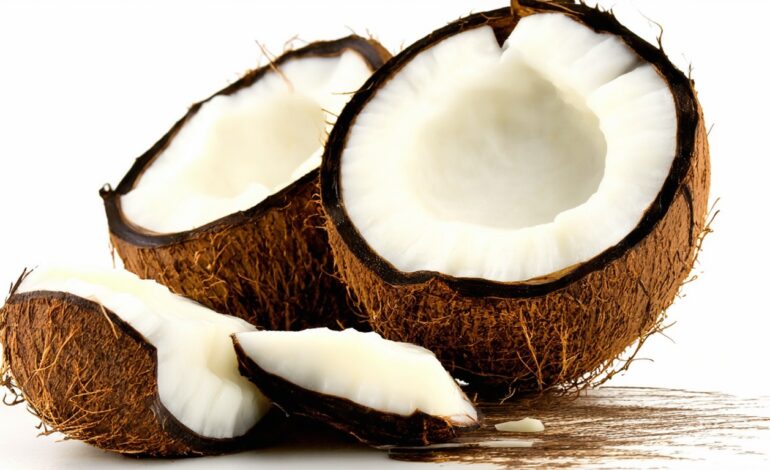
Across cultures and centuries, coconut oil has been celebrated as a staple for hair care—revered not just as a natural moisturizer, but also as a remedy for hair woes ranging from dryness to damage. In an era where clean beauty and ingredient transparency dominate, the simplicity and versatility of coconut oil have helped maintain its popularity among dermatologists, beauty professionals, and countless individuals seeking healthier hair.
Key Benefits of Coconut Oil for Hair Health
As science continues to delve into traditional remedies, coconut oil stands out for its unique chemical profile and proven effects on hair.
Deep Moisturizing and Reduced Protein Loss
Coconut oil is rich in lauric acid, a medium-chain fatty acid known for its affinity to hair proteins. This allows coconut oil to penetrate the hair shaft more deeply compared to most conventional mineral and vegetable oils:
- Moisture retention: Regular use can help reduce dryness, a common precursor to breakage.
- Minimized protein loss: Real-world studies suggest coconut oil can protect hair protein—even after repeated washing—making it particularly valuable for individuals with weak, brittle, or chemically treated hair.
“Coconut oil’s molecular structure allows it to penetrate the hair shaft more efficiently than other oils, reducing protein loss in both damaged and undamaged hair,” says Dr. Priya Patel, board-certified dermatologist and trichologist.
Shielding Against Daily Wear and Tear
Beyond moisture, coconut oil delivers a lightweight protective coat. For people plagued by frizz, split ends, or environmental stressors, using coconut oil can help buffer the hair from rough combing, ultraviolet rays, and pollution. Observational data show that many users report less hair breakage and improved texture after incorporating coconut oil into their routines.
Scalp Nourishment and Antifungal Properties
The antimicrobial and antifungal qualities of coconut oil—attributed in large part to its fatty acid content—make it an attractive choice for soothing flaky scalps or controlling minor dandruff. While not a substitute for medicated treatments in severe cases, many individuals find coconut oil helpful in managing mild dryness or discomfort.
How to Apply Coconut Oil for Best Results
Application technique is just as important as the product itself. An optimal approach depends on hair type, condition, and desired outcome.
Step-by-Step Guide: From Pre-Wash to Leave-In
Pre-Wash Treatment
A common strategy involves applying coconut oil before shampooing. This:
– Creates a barrier against protein loss during washing.
– Minimizes tangling and dryness.
How-to: Gently warm a tablespoon of virgin coconut oil between the palms and massage it into dry hair, focusing on mid-lengths and ends. Let sit for 20–30 minutes, then shampoo as usual.
Overnight Hair Mask
For extra hydration, some opt for an overnight mask. After application, hair can be covered with a shower cap or towel to avoid greasy pillowcases. Thorough washing the next morning helps remove excess residue.
Lightweight Leave-In
When used sparingly as a leave-in, coconut oil helps tame flyaways and impart shine. A tiny amount—no bigger than a pea-sized dab—warmed and applied exclusively to ends is usually sufficient, particularly for those with fine or straight hair.
Tips for Different Hair Types
- Curly and Coily Hair: Coconut oil can enhance curl definition and reduce shrinkage. Thicker textures often benefit from more generous application.
- Fine or Oily Hair: Use judiciously, as heavy-handed application may weigh hair down or cause buildup.
- Color-Treated or Chemically-Processed Hair: Patch-test first, as some find coconut oil can strip or interact with color molecules, especially on freshly dyed hair.
Real-World Examples and Industry Trends
Coconut oil’s surge in popularity is evident in the global hair care market. Major brands such as OGX and Palmer’s offer entire product lines—shampoos, conditioners, and masks—centered around coconut oil as a primary ingredient. Meanwhile, DIY enthusiasts often prefer pure, unrefined coconut oil sourced from the grocery aisle, citing its versatility and cost-effectiveness.
In various cultures, coconut oil has been passed down through generations as a beauty secret. In South India and the Philippines, coconut oil scalp massages remain a cherished tradition for promoting hair growth and imparting resilience, blending tradition with modern evidence.
Potential Drawbacks and Considerations
Despite its many benefits, coconut oil may not be universally suitable.
- Risk of build-up: Heavy or frequent use can lead to a greasy residue, especially in low-porosity or very fine hair.
- Allergic reactions: Though rare, some people experience scalp irritation, redness, or itchiness.
- Impact on color-treated hair: Anecdotal reports suggest that coconut oil can sometimes lift or fade certain color treatments.
Patch-testing on a small area before full application is always advisable for first-time users.
Conclusion: Should You Try Coconut Oil for Your Hair?
Coconut oil’s enduring presence in hair care is backed by both tradition and emerging scientific evidence. For many, it offers deep moisturization, protection against damage, and a simple route to healthier-looking hair. However, the best results come from thoughtful application tailored to hair type and needs. Whether used as a pre-shampoo treatment, mask, or finishing product, coconut oil remains a potent, accessible ally in the pursuit of stronger, shinier hair.
FAQs
Is coconut oil safe for all hair types?
Generally, coconut oil is safe for most hair types but particularly beneficial for those with thick, curly, or dry hair. Fine or oily hair may become greasy more quickly, so application should be minimal.
Can coconut oil help with dandruff?
Coconut oil has mild antifungal properties and may relieve minor flakiness or dryness, but persistent dandruff is best addressed with medicated shampoos.
How often should I use coconut oil on my hair?
For most people, using coconut oil once or twice a week as a pre-shampoo treatment provides optimal results without excessive build-up.
Does coconut oil promote faster hair growth?
While coconut oil creates a healthier scalp environment and reduces hair breakage, there is limited direct evidence that it speeds up hair growth.
Will coconut oil strip hair color?
Some individuals with freshly colored hair report fading or color changes, so it’s best to test coconut oil on a small section before full application.
What kind of coconut oil is best for hair?
Unrefined, virgin coconut oil is preferred for hair care since it retains more of its beneficial nutrients and fatty acids compared to refined varieties.