28 Years Later: Exploring the Mysterious Bone Temple

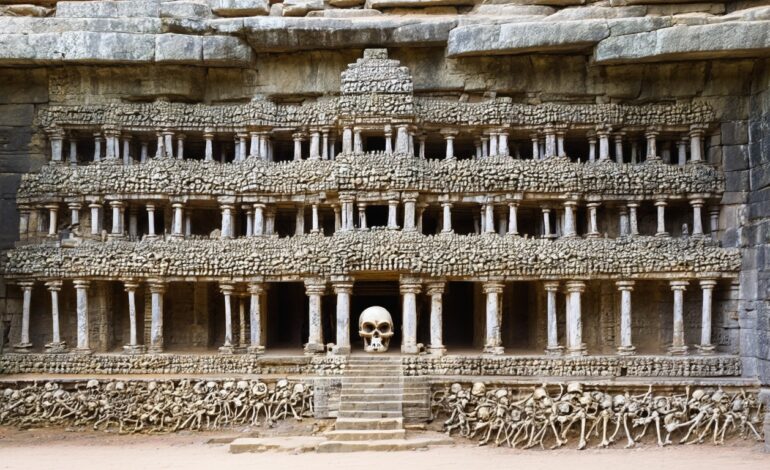
Nearly three decades after its global emergence as one of Europe’s most enigmatic sites, the world’s fascination with the Bone Temple remains unshaken. Shrouded in both artistic genius and solemn mystery, this unique ossuary continues to attract scholars, travelers, artists, and the simply curious. Its haunting yet beautiful display of human mortality compels visitors to reconsider history, ritual, and the intersection of art and remembrance.
Tracing the Origins: History Carved in Bone
The Bone Temple, most commonly associated with the Sedlec Ossuary in Kutná Hora, Czech Republic, is an enduring testament to the creative and sobering uses of human remains throughout European history. Constructed in the late 14th century, the ossuary’s origins are entwined with war, plague, and waves of religious pilgrimage that swept through Central Europe.
A Cistercian abbot, returning from the Holy Land in the 1200s, supposedly scattered sacred earth from Golgotha across the local cemetery, elevating the grounds’ sanctity. Over the centuries, mass burials became common, particularly during the Black Death and the Hussite Wars. Eventually, rising mortality rates compelled the church to create a new way to honor the dead—a charnel house that would become the famous Bone Chapel.
The 19th-century woodcarver František Rint left his indelible mark when commissioned to arrange the remains into intricate, almost theatrical designs. Skulls and femurs became chandeliers, coats of arms, and altar embellishments. Today, conservationists and cultural historians see the temple as both a memento mori and a work of gothic artistry.
The Ossuary’s Influence: Art, Ritual, and Reflection
While the Bone Temple stands as a unique landmark, ossuaries are not rare in European history. Paris’ Catacombs, the Capuchin Crypt in Rome, and smaller sites across Poland and Portugal reflect similar themes of mortality, commemoration, and faith. However, Sedlec’s imaginative craftsmanship and structural ambition continue to set it apart.
Contemporary Artistic Resonance
Since opening more broadly to tourism after the fall of Communism, the Bone Temple has inspired a renewed wave of artistic exploration. Visual artists, writers, and filmmakers often use the ossuary as a metaphor for transience, memory, and the cyclical nature of life and death.
“The Bone Temple is a rare intersection of artistry and anatomy—a space where history and mortality are impossible to ignore,” notes Dr. Anna Černá, a leading Czech historian of ritual art.
In modern times, the rise of dark tourism—the practice of visiting places historically associated with death and tragedy—has further cemented the site’s place in collective consciousness. While annual visitor numbers fluctuate, double-digit growth in international tourism to the region was reported in much of the 2010s, reinforcing the site’s global pull.
The Sacred and the Secular
The temple’s continued resonance invites debate among theologians and secular critics alike. Is the chapel a respectful homage to the dead, or does its theatricality verge on the macabre? For many, the answer lies in the humility of its design and the spiritual intent behind the artistry.
Preservation Challenges: Ethics and Conservation
Maintaining a monument constructed quite literally from bones poses unique challenges. Increased foot traffic, shifts in humidity, and exposure to light have prompted renewed efforts in preservation science. Conservation teams have deployed advanced techniques—including microclimate control and digital mapping of the ossuary’s bone arrangements—to ensure the chapel’s survival for future generations.
Innovations extend into the ethical sphere. The origins and identities of the individuals whose remains are displayed have largely been lost to history, raising complex questions of consent and dignity in contemporary museum practice.
Balancing Access and Respect
Local authorities and church custodians have implemented stricter visitor guidelines, timed ticketing, and educational initiatives to mitigate potential harm and ensure respectful engagement with the site.
- Timed entry limits overcrowding.
- Photography restrictions preserve the atmosphere.
- Interpretive materials frame the ossuary in historical and ethical context.
These approaches have set a benchmark for the stewardship of sensitive cultural sites in a rapidly globalizing world.
The Bone Temple’s Place in Collective Memory
Twenty-eight years after its rise to global prominence, the Bone Temple’s significance has only deepened. Its melding of the sacred and the aesthetic has sparked dialogue on mortality, remembrance, and creative legacy.
In digital culture, the temple’s images circulate widely—on Instagram, travel blogs, and documentary series—making it one of the world’s most recognizable and misunderstood relics of the past. For younger generations, it often serves as a point of entry into broader conversations about history, faith, and human meaning.
The Ongoing Conversation
Artists, preservationists, and visitors alike continue to interpret the Bone Temple through diverse frameworks:
- As a cautionary tale about the fleeting nature of power and life.
- As a celebration of human ingenuity in the face of mortality.
- As a living museum prompting ethical self-reflection.
What remains unchanged is its ability to inspire awe and introspection—reminding all who enter that beneath the ornamentation lies a fundamental human truth.
Conclusion: The Bone Temple’s Resonant Legacy
Nearly three decades after the world renewed its fascination with the site, the Bone Temple continues to stand as an extraordinary intersection of history, art, and mortality. Its careful balance between commemoration and creativity, ritual and remembrance, offers invaluable lessons for both heritage professionals and modern society. As preservation methods advance and public interpretation evolves, the ossuary remains, above all else, a powerful prompt to honor and remember the realities—and mysteries—of the lives that came before.
FAQs
What is the Bone Temple and where is it located?
The Bone Temple typically refers to the Sedlec Ossuary in Kutná Hora, Czech Republic, a chapel artistically decorated with human bones from centuries past.
Why were bones used as decoration in the Bone Temple?
Bones were used both out of necessity, due to overcrowded cemeteries after plagues and wars, and as spiritual reminders of mortality common in medieval Europe.
How many skeletons are estimated to be in the Sedlec Ossuary?
It is believed that the remains of between 40,000 and 70,000 individuals are artistically arranged within the chapel.
Can visitors tour the Bone Temple today?
Yes, the temple is open to visitors year-round, though new regulations manage crowd size and encourage respectful behavior.
Are there other bone-decorated ossuaries in Europe?
Similar ossuaries exist, such as the Paris Catacombs and the Capuchin Crypt in Rome, but few match the artistry and fame of the Sedlec Ossuary.
Is photographing inside the Bone Temple allowed?
Photography is permitted in many areas, but restrictions may apply to protect the site and ensure a respectful experience for all visitors.